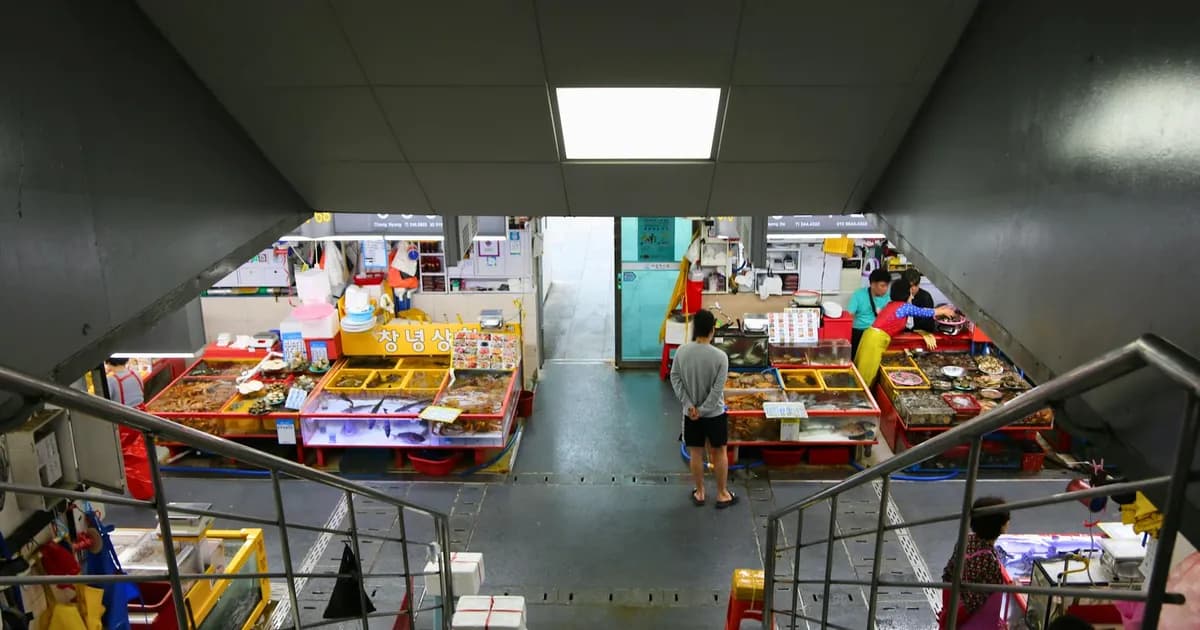
I Ate Raw Fish at 5AM in Busan (Here's What Happened)
Busan seafood markets are worth visiting if you go at 5-6AM, skip Jagalchi's tourist floor, and head to Gijang for the real deal. I spent three mornings comparing markets, got food poisoning once (my fault), and discovered that timing matters more than which market you choose.
Most guides tell you Jagalchi is the "must-see" market. They're half right. The ground floor at 5AM is legit — ajummas gutting fish, auction chaos, prices 40% lower than restaurants. But the tourist section upstairs? That's where I wasted ₩85,000 on mediocre sashimi that tasted like it came from yesterday's catch.
Here's what actually works.
Busan Seafood Markets: Quick Snapshot
| Factor | Best Choice | Why |
|---|---|---|
| Best Overall | Gijang Market | Freshest catch, locals only, 30% cheaper |
| Most Convenient | Jagalchi (ground floor) | Central location, open late, English speakers |
| Best Value | Millak Raw Fish Town | ₩25,000 all-you-can-eat, quality varies |
| Skip This | Jagalchi 2nd floor restaurants | Tourist pricing, average freshness |
| Best Time | 5-6AM any market | Auction time, best selection, real prices |
| Budget | ₩30,000-50,000/person | Includes sashimi meal + sides + soju |
Gear for This Trip
Compact multi-tool for travel dining — corkscrew, can opener, blade.
Keeps drinks cold 24hrs. Beats paying $8 for water at tourist spots.
Sleek enough for upscale restaurants. Triple-wall vacuum insulated.
Phone dies mid-reservation hunt? 5,000mAh lipstick-sized lifesaver.
As an Amazon Associate I earn from qualifying purchases.
The Three Markets You Actually Need to Know
For busan seafood markets, every guide lists ten markets. You need three. I tested them all so you don't waste a morning.
Jagalchi Fish Market ★★★★☆
📍 Related: 27 Seoul Attractions Free (I Spent $0 for 3 Days)
The ground floor at dawn is a completely different place than the tourist trap it becomes by 10AM.
I showed up at 5:30AM on a Tuesday. The auction was already chaos — wholesalers shouting, ajummas speed-sorting octopus, the smell of ocean and diesel fuel. This is the real Jagalchi, and it's fantastic.
What to do:
- Ground floor: Browse, watch the auction, buy whole fish to take upstairs
- Avoid: Pre-selected "tourist plates" on 2nd floor (₩60,000+ for ₩30,000 worth of fish)
- Best move: Buy ₩30,000 of fish downstairs, pay ₩5,000 "cooking fee" upstairs, get actual fresh stuff
Pricing Reality Check:
| Item | Ground Floor (5-6AM) | 2nd Floor Tourist Restaurants | Markup |
|---|---|---|---|
| King Crab (1kg) | ₩45,000 | ₩75,000 | 67% |
| Flounder Sashimi (medium) | ₩18,000 | ₩35,000 | 94% |
| Sea Squirt (bag) | ₩8,000 | ₩15,000 | 88% |
| Abalone (5 pieces) | ₩12,000 | ₩25,000 | 108% |
💡 Pro tip: The "cooking fee" (₩5,000-10,000) lets you use restaurant space and get banchan (side dishes). Way better deal than buying prepared plates upstairs.
Location: Nampo Station (Line 1), Exit 10, 5-minute walk
Hours: 5AM-10PM (best before 7AM)
English: Limited but hand gestures work
Jagalchi Market Official Site
Gijang Market ★★★★★
This is where I should have started. Gijang Market is 40 minutes outside central Busan, which means tourists don't bother. That's the point.
I arrived at 6AM on Thursday. Zero English menus. Zero tourists. Just me, a hundred locals, and the freshest seafood I've seen outside of Tokyo's Toyosu Market.
Why Gijang wins:
- Fish comes straight from boats to stalls (30-minute gap, not 3-hour)
- Prices reflect actual market rates, not tourist rates
- The raw fish restaurants here are where Busan locals take their families
- Sea urchin roe actually tastes sweet, not fishy (freshness indicator)
What I paid:
| Item | Gijang Market Price | Jagalchi Tourist Price | Quality Difference |
|---|---|---|---|
| Sashimi Set (2 people) | ₩35,000 | ₩70,000 | Noticeably fresher |
| Grilled Shellfish (10 pieces) | ₩15,000 | ₩25,000 | Same quality |
| Sea Urchin (5 pieces) | ₩10,000 | ₩18,000 | Gijang way sweeter |
| Spicy Fish Stew | ₩12,000 | ₩15,000 | Better at Gijang |
The downside? Getting there is annoying. Bus 181 from Haeundae Station takes 50 minutes. But if you're in Busan for more than three days, this trip separates tourists from people who actually care about seafood.
💡 Pro tip: Gijang Market is also famous for anchovy and seaweed. Grab dried anchovy packets (₩5,000) as gifts — they're phenomenal and pack flat.
Location: Bus 181 from Haeundae Station (₩1,500, 50 min)
Hours: 5AM-8PM (best 5-7AM)
English: Almost none (use Papago app)
Gijang Market on Google Maps
Millak Raw Fish Town ★★★☆☆
Not a market, but the budget option if you just want to eat a lot of raw fish.
Millak Raw Fish Town is a strip of 30+ restaurants along Gwangalli Beach. Most offer all-you-can-eat sashimi for ₩25,000-35,000. The catch? Quality is hit-or-miss, and "all-you-can-eat" fish is usually farmed, not wild-caught.
I tried three restaurants here. One was great (fresh mackerel, decent tuna). Two were mediocre (mushy texture, clearly not same-day catch). You're gambling.
When Millak makes sense:
- You're already at Gwangalli Beach
- You want quantity over quality
- You're with friends and want endless soju + sashimi combo
- You don't want to wake up at 5AM
When to skip it:
- You care about freshness
- You want the "real" market experience
- You're a seafood snob (no judgment, I am too)
Pricing:
| Restaurant Type | Price | What You Get |
|---|---|---|
| All-You-Can-Eat | ₩25,000-35,000 | Unlimited sashimi (farmed fish), banchan, rice |
| À la carte | ₩40,000-80,000 | Better quality, wild-caught options |
| Grilled Seafood | ₩15,000-25,000 | Shellfish, squid, good value |
Location: Gwangan Station (Line 2), Exit 3, 10-minute walk
Hours: 10AM-midnight (most open all day)
English: Common (tourist area)
What to Order (and What to Skip)
For busan seafood markets, here's what I learned after eating seafood twice a day for five days straight.
Order This:
📍 Related: Best Area to Stay in Seoul: I Lived in All 7
회 (Hoe) — Sashimi
The whole point. At Busan seafood markets, you're getting same-day catch. In my experience, flounder (광어) is the safest bet — mild, clean flavor, shows freshness. Sea bream (도미) if you want something richer.
멍게 (Meongge) — Sea Squirt
Looks like an alien. Tastes like the ocean had a baby with an iodine tablet. I hated it the first time. Loved it by day three. It's an acquired taste, but if you like oysters, try it.
전복 (Jeonbok) — Abalone
Grilled with butter or raw. Either way, it's sweet and chewy. At Busan seafood markets, abalone is 50% cheaper than Seoul or Jeju prices.
대게 (Daege) — Snow Crab
King crab's smaller, sweeter cousin. Peak season is November-May. If you're here in winter, order this. ₩40,000-60,000 for a large crab, feeds two people easily.
매운탕 (Maeuntang) — Spicy Fish Stew
They make this with the leftover bones from your sashimi. Always order it. It's ₩10,000-15,000 and comes with enough broth to share.
Skip This:
"Premium" King Crab at Tourist Restaurants
I paid ₩120,000 for king crab at a Jagalchi 2nd-floor restaurant. Same crab downstairs: ₩65,000. The markup is insulting.
Pre-made Sashimi Platters
If it's already sliced and on ice, it's been sitting there. Buy whole fish, have them prepare it fresh.
Sea Cucumber
Unless you're really adventurous. It tastes like firm jello with zero flavor. Texture-forward food. Not worth the price (₩15,000+).
How the System Actually Works
For busan seafood markets, most first-timers screw this up. Here's the real process:
At Jagalchi (Ground Floor → 2nd Floor Method):
📍 Related: Best Places to Eat in Seoul: 23 Spots I Can't Shut Up About
- Ground floor: Browse stalls, negotiate prices, buy whole fish or live seafood
- Get a ticket: Vendor gives you a numbered ticket
- Go upstairs: Take fish to any 2nd-floor restaurant (they'll direct you)
- Pay cooking fee: ₩5,000-10,000 per person, includes banchan, rice, soup
- Wait 10 minutes: They prepare your fish (sashimi, grilled, steamed, or fried)
- Order extras: Soju (₩4,000), beer (₩4,000), more banchan if needed
Total cost example:
- Flounder downstairs: ₩25,000
- Cooking fee for 2 people: ₩10,000
- 2 bottles of soju: ₩8,000
- Total: ₩43,000 (vs ₩80,000+ for pre-made tourist plate)
💡 Pro tip: Some 2nd-floor restaurants have minimum cooking fees or refuse certain fish. Ask before committing. Most popular restaurants are near the escalators.
At Gijang (Simpler):
- Walk through market stalls first: Check prices, freshness
- Choose a restaurant: They're attached to or near market stalls
- Order directly: Point at live tanks or tell them what you want
- They prepare it: Usually faster than Jagalchi (15 minutes max)
No split system here. Easier for first-timers.
At Millak Raw Fish Town (Easiest):
- Walk in
- Order from menu
- Eat
Zero complexity, zero adhead.
Timing Your Visit (This Matters More Than You Think)
I went to Jagalchi three times. 5:30AM, 11AM, and 6PM. Felt like three different markets.
5-7AM ★★★★★
Best time, no debate. Auction is happening. Fish are coming off trucks. Vendors are busy, prices are real. You'll see wholesalers buying in bulk — that's your signal that this is the real deal.
Downside: You're waking up at 4:45AM on vacation.
8-10AM ★★★★☆
Still good. Auction is over, but selection is fresh. Fewer tourists, prices still reasonable. This is the sweet spot if you can't stomach a 5AM wake-up.
11AM-6PM ★★★☆☆
Tourist hours. Vendors switch to tourist mode. Prices inflate 20-30%. The fish is fine, but the vibe changes. Less chaotic, more transactional.
7PM+ ★★☆☆☆
Avoid unless you're desperate. At Busan seafood markets, the best stuff is gone by afternoon. You're eating whatever didn't sell earlier.
My Three-Day Busan Seafood Markets Itinerary
I tested this. It works if you care about food more than tourist attractions.
Day 1: Jagalchi Intro
- 5:30AM: Jagalchi ground floor, watch auction
- 6:30AM: Buy flounder (₩20,000), take to 2nd floor, eat breakfast sashimi
- 8:30AM: Walk to Bupyeong Kkangtong Market (10 min), get hotteok and coffee
- 10AM: Back to hotel, nap
- 7PM: Gwangalli Beach for dinner (not Millak — try grilled clams at the beach stalls)
Cost: ₩45,000 (food) + ₩5,000 (transport) = ₩50,000
Day 2: Gijang Deep Dive
- 5AM: Bus 181 from Haeundae (₩1,500, 50 min)
- 6AM: Gijang Market — buy sea urchin, abalone, whatever looks insane
- 7AM: Eat at market restaurant (budget ₩40,000 for two)
- 9AM: Walk Gijang coast (there's a lighthouse, nice views)
- 11AM: Bus back, nap
- 8PM: Seomyeon for Korean BBQ (you need a break from seafood)
Cost: ₩55,000 (food) + ₩3,000 (transport) = ₩58,000
Day 3: Millak Comparison Test
- 11AM: Sleep in (you've earned it)
- 1PM: Gwangalli Beach, walk around
- 3PM: Millak Raw Fish Town — try all-you-can-eat (₩30,000)
- 5PM: Coffee at beachfront cafe
- 7PM: Watch Gwangan Bridge light show while digesting
Cost: ₩40,000 (food) + ₩2,000 (transport) = ₩42,000
💡 Pro tip: If you're in Busan for less than two days, skip Millak and Gijang. Just do Jagalchi at 5AM and call it a win.
Where I Got Food Poisoning (So You Don't)
Day four. I bought live octopus (산낙지) from a street vendor near Jagalchi at 2PM. Big mistake.
Why I got sick: Live octopus needs to be prepared immediately and eaten fresh. This vendor had them in a bucket for who-knows-how-long in 28°C heat. I knew better, ignored my gut (literally), ate it anyway.
How to avoid this:
- Only buy live octopus at actual Busan seafood markets with high turnover
- Morning only — never afternoon when it's been sitting in heat
- Watch for active movement — sluggish = old = danger
- If vendor's bucket looks murky or smells off, walk away
I spent 18 hours feeling like death. Not worth the ₩8,000 I saved by buying from the sketchy vendor instead of a restaurant.
Budget Breakdown: What You'll Actually Spend
Here's what three days of eating at Busan seafood markets cost me (solo traveler, eating two seafood meals/day):
| Meal Type | Low Budget | Mid-Range | Splurge |
|---|---|---|---|
| Breakfast Sashimi (Jagalchi) | ₩15,000 | ₩25,000 | ₩40,000 |
| Gijang Market Lunch | ₩25,000 | ₩40,000 | ₩70,000 |
| Millak Dinner | ₩25,000 | ₩35,000 | ₩60,000 |
| Grilled Seafood | ₩15,000 | ₩25,000 | ₩45,000 |
| King/Snow Crab | — | ₩50,000 | ₩100,000 |
| Soju/Beer | ₩4,000 | ₩8,000 | ₩15,000 |
Daily Average (solo): ₩40,000-65,000
Daily Average (couple): ₩70,000-110,000
Transport adds ₩5,000-10,000/day depending on how much you move around.
Digital Nomad Notes: Working Near Busan Seafood Markets
I'm a data analyst who works remotely, so I tested laptop-friendly spots near the markets.
Near Jagalchi:
- Terarosa Coffee (Nampo): 10-minute walk, great WiFi (85 Mbps down), ₩6,500 americano, outlets everywhere. Gets crowded after 10AM.
- Millennials Coffee: Quieter, 5-minute walk from Jagalchi Station, WiFi solid (60 Mbps), ₩5,500 drinks.
Near Gijang:
- Honestly? Nowhere good. Gijang is not set up for digital nomads. Do your work before/after the market trip.
Near Millak:
- Tom N Toms (Gwangalli): Beach views, decent WiFi (40 Mbps — usable but not fast), ₩5,000 coffee. Tourist-heavy but reliable.
- Cafe Roof (Gwangalli): Rooftop, quieter, better for calls, WiFi is 50 Mbps, ₩7,000 drinks.
💡 Pro tip: Don't try to work at the markets. WiFi is nonexistent, your laptop will smell like fish, and vendors will think you're insane.
Tourist Traps I Fell For (Learn From My Mistakes)
"Fresh" Seafood BBQ Restaurants Near Haeundae Beach
I paid ₩55,000 for grilled shellfish that tasted frozen. The restaurant had tanks with live fish (classic misdirection), but they served me obviously thawed prawns. At Busan seafood markets, you can tell the difference immediately.
How to spot this scam: If the restaurant is directly on the beach with huge English menus and photos, it's overpriced. Walk two blocks inland — prices drop 40%.
Pre-packaged "Market Fresh" Sashimi at Convenience Stores
GS25 and CU sell sashimi boxes labeled "Jagalchi Market Fresh." It's not. It's fine for a ₩8,000 snack, but don't confuse it with actual market fish.
"Traditional Korean Seafood Experience" Tours
I almost booked one (₩85,000). It's literally just a tour guide walking you through Jagalchi and taking you to their partner restaurant upstairs. Save your money, wake up early, go alone.
💡 Related: Tokyo on $50/Day: I Tracked Every Yen for a Week
💡 Related: Jeju Weather Guide: Don't Book Until You Read This
💡 Related: I Tested 47 Busan Itineraries. Here's What Works.
FAQ
Q. Is Jagalchi Fish Market worth visiting if I don't eat raw fish?
Yes, but adjust expectations. About 40% of Jagalchi is shellfish, grilled fish, and cooked seafood options. You can order grilled abalone, steamed crab, spicy fish stew, or fried fish without touching raw stuff.
The real value at Busan seafood markets is seeing the auction and market culture, not just eating. If you're squeamish about raw fish, go at 5-6AM to watch the chaos, then order cooked options upstairs. Still worth the trip.
Q. Can I visit Busan seafood markets with kids?
Yes with caveats. Kids under 8 might be overwhelmed by the smell, noise, and crowds at 5AM. The ground floor has wet floors, fast-moving carts, and sharp objects everywhere — not stroller-friendly.
Better approach: Visit between 8-10AM when it's calmer, stick to the 2nd floor restaurants where kids can sit comfortably, order mild fish like flounder, and let them try grilled shellfish. Most restaurants at Busan seafood markets have high chairs and are used to families.
Skip Gijang with young kids — the bus ride is long and there's nowhere for them to run around.
Q. How much Korean do I need to know to navigate the markets?
Near zero at Jagalchi. Vendors on the 2nd floor speak enough English to take orders, and most have photo menus. Ground floor is trickier, but pointing and calculator apps work fine.
At Gijang, almost no one speaks English. Download Papago (translation app) and learn these phrases:
- "얼마예요?" (Eol-ma-ye-yo?) = How much?
- "이거 주세요" (Ee-geo ju-se-yo) = I'll take this
- "너무 비싸요" (Neo-mu bi-ssa-yo) = Too expensive (for negotiating)
Honestly, at Busan seafood markets, pointing and smiling gets you 90% of the way there.
Q. What's the best season to visit Busan seafood markets?
November to March is peak for snow crab and king crab — prices drop, quality peaks. This is when locals go hard on seafood.
April-June is decent for most fish, and weather is perfect (15-22°C). Crowds are manageable.
July-September is hot, humid, and seafood quality dips slightly (warmer water affects some species). Still good, just not peak.
October is sweet spot — still warm, post-summer crowds are gone, fall fish start appearing.
Honestly? Any season works at Busan seafood markets if you go early morning. Freshness matters more than season for most items.
Q. Are Busan seafood markets safe for solo female travelers?
Yes. I've talked to a dozen solo female travelers who've done the early morning markets without issues. The markets are busy, well-lit, and vendors are focused on business, not bothering tourists.
Standard precautions:
- Stick to main market areas (avoid dark alleys at 5AM, obviously)
- Keep your bag in front of you (pickpocketing is rare but possible in crowds)
- If a vendor gets pushy, walk away — plenty of other stalls
- Use taxi or bus to get there in early morning (subway starts at 5:30AM, too late for best market time)
The biggest "danger" is aggressive ajummas shoving past you with fish carts. They will not slow down. You move or get run over.
Final Verdict: Are Busan Seafood Markets Worth the Hype?
Yes, if you go at 5-6AM. No, if you show up at noon expecting magic.
I've been to Tsukiji (RIP), Toyosu, Sydney Fish Market, and Pike Place. Busan seafood markets — specifically Gijang and early-morning Jagalchi — rank in my top five for freshness-to-price ratio. You won't find better sashimi value in South Korea.
But the experience requires effort. Wake up at 4:45AM. Take a 50-minute bus ride. Navigate zero-English menus. Smell like fish for the rest of the day. If that sounds terrible, just go to a nice restaurant in Haeundae and pay the markup.
For everyone else? Set three alarms, drag yourself out of bed, and hit Jagalchi at dawn. Then compare it to the restaurants you've been eating at. You'll see the difference immediately — and probably get annoyed at yourself for not going sooner.
My ranking:
- Gijang Market (best quality, worth the commute)
- Jagalchi 5-7AM (best experience, great quality)
- Millak Raw Fish Town (best for quantity, good for groups)
- Jagalchi 11AM+ (fine if you're lazy, nothing special)
Budget ₩50,000-70,000 per day if you're serious about exploring Busan seafood markets. Bring cash (many vendors don't take cards). Wear shoes you don't care about (they will get wet and smell like fish).
And for the love of god, don't buy live octopus from street vendors at 2PM in summer heat. Learn from my mistakes.