Don't Visit Korea Until You See This City List
Seoul eats up everyone's Korea budget, but it's the fourth-best city on this list. After spending 11 months bouncing between Korean cities, I've got opinions that'll save you from tourist traps and point you toward the cities where your money stretches further and the experiences hit harder.
The best cities to visit in South Korea depend on what you're chasing—food obsession, beach life, historical depth, or digital nomad vibes. I'm ranking seven cities by value, not Instagram likes.
The Real Ranking: 7 Korean Cities Compared
For cities to visit in south korea, here's my brutally honest take after living in each for at least three weeks:
📍 Related: 27 Busan Things To Do That'll Ruin Other Cities For You
| City | Best For | Daily Budget | Crowd Level | My Rating |
|---|---|---|---|---|
| Busan | Beach + Food | $45-70 | Medium | ★★★★★ |
| Gyeongju | History Nerds | $35-55 | Low | ★★★★★ |
| Jeonju | Foodies | $40-60 | Low-Medium | ★★★★½ |
| Seoul | First-Timers | $60-100 | Insane | ★★★★ |
| Jeju Island | Nature/Couples | $55-90 | High (seasonal) | ★★★★ |
| Daegu | Budget Travelers | $30-50 | Low | ★★★½ |
| Gwangju | Art/Culture | $35-55 | Very Low | ★★★½ |
💡 Pro tip: Most travelers only hit Seoul and maybe Busan. That's like visiting the US and only seeing New York. The cities to visit in South Korea that'll make your friends jealous are further down this list.
Gear for This Trip
Perfect city daypack. Fits laptop, water bottle, and snacks without bulk.
All-day exploring needs all-day battery. Compact and fast-charging.
Block out subway noise, enjoy podcasts between stops.
Phone cameras are good. This is better — fits in your pocket.
As an Amazon Associate I earn from qualifying purchases.
1. Busan: The City Seoul Wishes It Was
Busan wins because it's got Seoul's food scene, zero pretension, and actual beaches. I spent two months here and my cost of living dropped 35% compared to Seoul while my quality of life went up.
Why Busan Beats Seoul
📍 Related: 27 Seoul Attractions Free (I Spent $0 for 3 Days)
The seafood is absurdly fresh—I'm talking octopus moving on your plate at Jagalchi Market for $12. Compare that to Seoul's touristy Noryangjin Market where the same dish runs $25 and tastes like it was frozen last week.
Transportation is stupid easy. The subway system covers everything you need, costs $1.50 per ride, and isn't packed with commuters elbowing your laptop bag. I worked from cafes in Haeundae Beach for three weeks—stable WiFi, ocean views, $3 americanos.
Here's the cost breakdown nobody talks about:
| Expense | Busan | Seoul | Difference |
|---|---|---|---|
| 1BR Apartment (month) | $500-700 | $800-1,200 | 38% cheaper |
| Korean BBQ (2 people) | $25-35 | $40-60 | 40% cheaper |
| Cafe Americano | $2.50-4 | $4-6 | 35% cheaper |
| Taxi (5km) | $6-8 | $9-12 | 30% cheaper |
| Temple Stay | $50 | $70 | 29% cheaper |
Book Busan hotels here and filter for Haeundae or Gwangalli Beach neighborhoods—those are where you want to be.
💡 Pro tip: Skip Haeundae Beach in July-August. It looks like a sardine can. Go in May, June, or September for perfect weather and 60% fewer tourists.
The Digital Nomad Angle
Busan has coworking spaces that cost half what Seoul charges. I worked from Sangsang Madang ($15/day drop-in) and Haeundae WeWork ($180/month). Both had fiber internet faster than what I had in my apartment back in the States.
Best laptop-friendly cafes:
- Anthracite (Gwangalli Beach) - Industrial vibe, strong WiFi, doesn't kick you out after one coffee
- Terarosa (Haeundae) - Roasts their own beans, multiple floors, power outlets everywhere
- Brown Hands Cafe (Haeridan-gil) - Design coffee shop, $4 flat whites, full brunch menu
The Busan Metro has an English website that actually works, unlike some other Korean city transit sites.
trong>Seoul eats up everyone's Korea budget, but it's the fourth-best city on this list. After spending 11 months bouncing between Korean cities, I've got opinions that'll save you from tourist traps and point you toward the cities where your money stretches further and the experiences hit harder.The best cities to visit in South Korea depend on what you're chasing—food obsession, beach life, historical depth, or digital nomad vibes. I'm ranking seven cities by value, not Instagram likes.
The Real Ranking: 7 Korean Cities Compared
For cities to visit in south korea, here's my brutally honest take after living in each for at least three weeks:
📍 Related: 27 Busan Things To Do That'll Ruin Other Cities For You
| City | Best For | Daily Budget | Crowd Level | My Rating |
|---|---|---|---|---|
| Busan | Beach + Food | $45-70 | Medium | ★★★★★ |
| Gyeongju | History Nerds | $35-55 | Low | ★★★★★ |
| Jeonju | Foodies | $40-60 | Low-Medium | ★★★★½ |
| Seoul | First-Timers | $60-100 | Insane | ★★★★ |
| Jeju Island | Nature/Couples | $55-90 | High (seasonal) | ★★★★ |
| Daegu | Budget Travelers | $30-50 | Low | ★★★½ |
| Gwangju | Art/Culture | $35-55 | Very Low | ★★★½ |
💡 Pro tip: Most travelers only hit Seoul and maybe Busan. That's like visiting the US and only seeing New York. The cities to visit in South Korea that'll make your friends jealous are further down this list.
1. Busan: The City Seoul Wishes It Was
Busan wins because it's got Seoul's food scene, zero pretension, and actual beaches. I spent two months here and my cost of living dropped 35% compared to Seoul while my quality of life went up.
Why Busan Beats Seoul
📍 Related: 27 Seoul Attractions Free (I Spent $0 for 3 Days)
The seafood is absurdly fresh—I'm talking octopus moving on your plate at Jagalchi Market for $12. Compare that to Seoul's touristy Noryangjin Market where the same dish runs $25 and tastes like it was frozen last week.
Transportation is stupid easy. The subway system covers everything you need, costs $1.50 per ride, and isn't packed with commuters elbowing your laptop bag. I worked from cafes in Haeundae Beach for three weeks—stable WiFi, ocean views, $3 americanos.
Here's the cost breakdown nobody talks about:
| Expense | Busan | Seoul | Difference |
|---|---|---|---|
| 1BR Apartment (month) | $500-700 | $800-1,200 | 38% cheaper |
| Korean BBQ (2 people) | $25-35 | $40-60 | 40% cheaper |
| Cafe Americano | $2.50-4 | $4-6 | 35% cheaper |
| Taxi (5km) | $6-8 | $9-12 | 30% cheaper |
| Temple Stay | $50 | $70 | 29% cheaper |
Book Busan hotels here and filter for Haeundae or Gwangalli Beach neighborhoods—those are where you want to be.
💡 Pro tip: Skip Haeundae Beach in July-August. It looks like a sardine can. Go in May, June, or September for perfect weather and 60% fewer tourists.
The Digital Nomad Angle
Busan has coworking spaces that cost half what Seoul charges. I worked from Sangsang Madang ($15/day drop-in) and Haeundae WeWork ($180/month). Both had fiber internet faster than what I had in my apartment back in the States.
Best laptop-friendly cafes:
- Anthracite (Gwangalli Beach) - Industrial vibe, strong WiFi, doesn't kick you out after one coffee
- Terarosa (Haeundae) - Roasts their own beans, multiple floors, power outlets everywhere
- Brown Hands Cafe (Haeridan-gil) - Design coffee shop, $4 flat whites, full brunch menu
The Busan Metro has an English website that actually works, unlike some other Korean city transit sites.
2. Gyeongju: Time Travel Without the Seoul Price Tag
If you care about Korean history at all, Gyeongju is non-negotiable. This was Korea's capital for almost a thousand years and it shows. The entire city is a UNESCO World Heritage site—imagine living in one giant museum.
📍 Related: Best Area to Stay in Seoul: I Lived in All 7
I spent three weeks here and my daily spending averaged $42. That included temple visits, bike rentals, and eating like a king.
What Makes Gyeongju Special
Bulguksa Temple and Seokguram Grotto are the heavy hitters. Entry is $6 each. Go at 6:30 AM when they open—you'll have the place nearly to yourself. By 10 AM, tour buses from Seoul dump hundreds of visitors who rush through in 45 minutes.
The Daereungwon Tomb Complex (ancient royal tombs) looks like someone scattered giant grass-covered mounds across a park. Entry is $3.50. Rent a bike for $8/day and cover the entire historical park circuit in 4-5 hours.
Cost Comparison: Gyeongju vs Seoul History Tours
| Activity | Gyeongju | Seoul Equivalent |
|---|---|---|
| Palace Entry | $3-6 | $3 (but 10x crowds) |
| Traditional Stay | $45-70/night | $90-150/night |
| Bike Rental (full day) | $8 | $15 |
| Temple Stay | $50 | $70 |
| Traditional Meal | $8-12 | $15-25 |
💡 Pro tip: Do a temple stay at Golgulsa Temple. You learn Korean martial arts, meditate at sunrise, eat temple food, and sleep on heated floors. It costs $50 and I learned more about Korean culture in 24 hours than I did in two weeks in Seoul.
Getting There
From Busan, take the Mugunghwa train ($8, 1.5 hours) instead of the express bus. It's slower but runs along the coast—the views are worth the extra 20 minutes. The Korail website has English booking.
Korean street food vendors near Gyeongju Station sell hotteok (sweet pancakes) for $2—same price as everywhere else in Korea, which tells you Cities To Visit In South Korea hasn't inflated prices for tourists.
3. Jeonju: Where Koreans Go to Eat
Jeonju is the food capital of South Korea. Seoul has fancier restaurants, but Jeonju has the recipes. This is where bibimbap was invented. This is where Korean food street vendors have been perfecting their craft for three generations.
I gained five pounds in three weeks here and regret nothing.
Why Foodies Need Jeonju
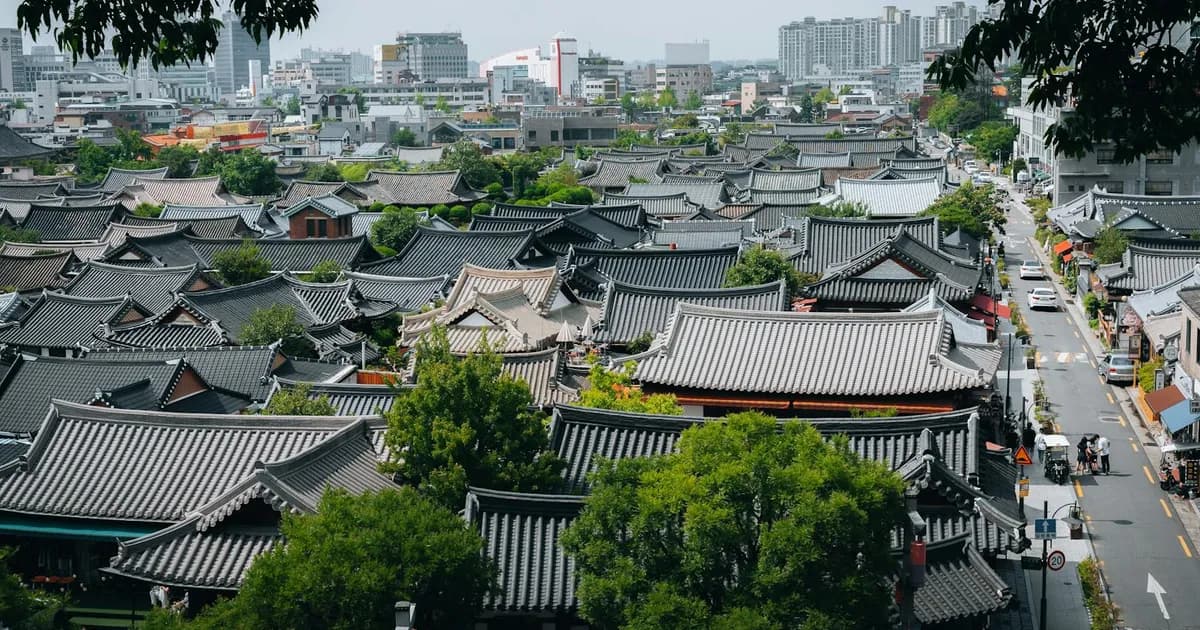
Jeonju Hanok Village is the main draw—800+ traditional Korean houses converted into restaurants, tea houses, and guesthouses. Unlike Seoul's Bukchon Hanok Village (which feels like a theme park), people actually live and work here.
The food street (Jeonju Hanok Village Main Road) is a 1.2km stretch of food stalls. You can eat your way down the entire street for $35 and need to be rolled back to your hotel.
Must-try dishes in Jeonju:
| Dish | What It Is | Where to Get It | Cost |
|---|---|---|---|
| Jeonju Bibimbap | Mixed rice bowl (the original) | Gajok Hoegwan | $10 |
| Kongnamul Gukbap | Bean sprout soup with rice | Hyundaiok | $6 |
| Choco Pie | Korean dessert (factory's here) | PNB Bakery | $1.50 |
| Makgeolli | Rice wine (traditional) | Sambaekjip | $8/bottle |
| Korean Street Food | Everything | Night Market | $2-5/item |
Book a hanok stay here—traditional Korean house, heated floors, $60-80/night. It's cheaper than a Seoul hotel and ten times more memorable.
Digital Nomad Reality Check
Jeonju is not a digital nomad hub. WiFi in hanoks can be sketchy. Cafes close early (around 9 PM). If you need to work, book a modern hotel or Airbnb in the newer district. I stayed at Hotel Riviera ($55/night) which had proper desk space and 100 Mbps internet.
But honestly? Come here to eat, not to work. The cities to visit in South Korea for serious work are Busan or Seoul.
💡 Pro tip: Jeonju Film Festival (late April/early May) turns Cities To Visit In South Korea into a circus. Hotel prices triple. Avoid unless you're into indie films.
4. Seoul: Still Worth It, But Go Last
Seoul should be your final stop in Korea, not your first. Everyone does it backward—they blow their budget in Seoul, then rush through the rest of the country. Go to other cities first, learn what Korea actually costs, then hit Seoul with context.
I'm not saying Seoul sucks. It's got the best nightlife, most job opportunities, and highest concentration of English speakers. But it'll drain your wallet faster than any other city on this list.
What Seoul Actually Costs
The Visit Seoul website claims you can do Seoul on $50/day. That's technically true if you eat only convenience store kimbap and walk everywhere. Realistically? Budget $80-100/day.
| Expense | Budget | Mid-Range | Splurge |
|---|---|---|---|
| Accommodation | $25-35 (hostel) | $60-90 (hotel) | $150+ (nice hotel) |
| Food (3 meals) | $15-20 | $30-45 | $60+ |
| Transportation | $5-8 | $10-15 | $20+ (taxis) |
| Attractions | $10-15 | $20-30 | $50+ |
| Daily Total | $55-78 | $120-180 | $280+ |
What Seoul Does Better
Korean BBQ in Seoul hits different. Maple Tree House in Itaewon is where I take every visitor—$40 per person for premium hanwoo beef, but they cook it for you and the meat quality is insane. Similar quality in Busan costs $28, but Seoul's top-tier restaurants are worth the premium.
Gangnam is overhyped and overpriced. Hongdae is where actual interesting stuff happens—live music, street art, younger crowd, better food prices. Itaewon is for internationals and has every cuisine you're homesick for.
Seoul Korean restaurant scene is unmatched. I'm talking Michelin-starred Korean food for $30. Try Jungsik if you want to see what modern Korean cuisine looks like ($$$$), or Tosokchon Samgyetang near Gyeongbokgung Palace for ginseng chicken soup ($15) that locals actually eat.
💡 Pro tip: Buy a T-money card at any convenience store. Load $20 on it. Works for subway, buses, taxis, and even some convenience stores. Saves about 15% vs single-ride tickets.
The Digital Nomad Reality
Seoul has coworking spaces everywhere—WeWork, FastFive, SparkPlus. They run $180-300/month. Cafes are hit-or-miss—chains like Ediya and Mega Coffee have stable WiFi and cost $2-3. Blue Bottle and Anthracite are where you'll spot other nomads, but coffee runs $5-6.
Internet in Seoul apartments is ridiculous—1 Gbps fiber is standard and costs $30/month.
5. Jeju Island: Beautiful But Overpriced
Jeju is Korea's Hawaii—volcanic landscapes, beaches, and prices to match. It's gorgeous, but you'll pay 40% more than mainland cities to visit in South Korea.
I spent 10 days here. Beautiful? Yes. Would I go back? Maybe. Would I spend three weeks here? Hell no, unless someone else was paying.
What Jeju Does Well
Seongsan Ilchulbong (Sunrise Peak) is worth the early wake-up. $3 entry, 30-minute hike, sunrise over volcanic crater. Get there by 5:30 AM.
Manjanggul Cave is a 7.4km lava tube—you can walk through 1km of it. $4 entry. Bring a jacket; it's 55°F inside.
Beaches are free and less crowded than you'd expect. Hyeopjae Beach and Hamdeok Beach are the best. Skip Jungmun Beach—it's all resorts and package tourists.
Cost Reality Check
| Item | Jeju | Busan | Seoul |
|---|---|---|---|
| Rental Car (per day) | $45-60 | N/A | N/A |
| Hotel (mid-range) | $80-120 | $60-90 | $70-110 |
| Restaurant Meal | $15-25 | $10-18 | $12-20 |
| Black Pork BBQ | $35-45 | $25-35 | $30-40 |
| Cafe Coffee | $5-7 | $3-4 | $4-6 |
You need a car in Jeju. Public transit exists but it's useless for sightseeing. Rental cars start at $45/day. Gas is expensive. Parking is annoying. Add $60-70/day to your budget just for car costs.
💡 Pro tip: Fly into Jeju City, not Seogwipo. More rental car options, better prices, easier airport access. Check flights on Jeju Air—often $50-80 from Busan or Seoul.
6. Daegu: The Budget Winner
Daegu is Korea's third-largest city and feels like it's still 2010 pricing. Accommodation costs 40% less than Seoul, food is cheap, and there's enough to do for 3-4 days.
I stayed here for five days while waiting for my Busan Airbnb to open up. It surprised me—not gorgeous, not boring, just solid value.
What You Get in Daegu
Seomun Market is a massive traditional market. I ate lunch here for $4 (bibimbap, kimchi, soup). Compare that to Seoul's Gwangjang Market where the same meal costs $10-12.
83 Tower gives you city views for $8. Skip it unless you're really into observation decks.
Daegu Yangnyeongsi is a traditional medicine market. Interesting for an hour, then you're done.
Budget Breakdown
Here's what I actually spent per day:
| Category | Cost |
|---|---|
| Motel Room | $28 |
| Breakfast (cafe) | $5 |
| Lunch (market) | $4 |
| Dinner (restaurant) | $12 |
| Subway/Bus | $3 |
| Cafe (coworking) | $4 |
| Total | $56 |
Best for: Travelers trying to stretch their budget between Gyeongju and Busan, or digital nomads who need a cheap month to reset.
7. Gwangju: The Overlooked Culture Hub
Gwangju is Korea's art capital—and barely any international tourists bother coming here. That's both good (no crowds, authentic prices) and bad (less English signage, fewer Western amenities).
I spent four days here because I was curious about the Gwangju Democracy Movement history. Ended up learning more about Korean contemporary art than I expected.
Why Come to Gwangju
May 18th National Cemetery and Asia Culture Center tell the story of Korea's 1980 pro-democracy uprising. Heavy stuff, but essential Korean history. Entry is free.
Art Street (Dongmyeong-dong) is lined with galleries, indie cafes, and artist studios. No entrance fees. Just wander.
Mudeungsan Mountain has hiking trails. Free. Three-hour loop gets you mountain views without the crowds you'd fight in Seoul's Bukhansan.
Cost Comparison
Gwangju is cheap:
| Expense | Daily Cost |
|---|---|
| Budget Hotel | $30-45 |
| Meals | $15-20 |
| Attractions | $0-10 (most free) |
| Transport | $3-5 |
| Daily Total | $48-80 |
Drawback: English is rough here. Download Papago translator app. WiFi in budget accommodations can be weak—I ended up working from Paris Baguette (cafe chain) most days.
💡 Pro tip: Gwangju is two hours by bus from Jeonju ($12). Combine them in one trip—Jeonju for food, Gwangju for culture. You'll see a side of Korea that 95% of tourists miss.
Getting Between Cities: The Real Costs
KTX trains are Korea's bullet trains. Fast, punctual, and pricey. Mugunghwa trains are slower, cheaper, and more scenic. Buses are cheapest but least comfortable.
| Route | KTX | Regular Train | Bus | Time |
|---|---|---|---|---|
| Seoul-Busan | $55 | $28 | $22 | 2.5h / 4.5h / 4h |
| Seoul-Gyeongju | $48 | $25 | $20 | 2h / 3.5h / 3.5h |
| Seoul-Jeonju | $42 | $22 | $18 | 2h / 3h / 3h |
| Busan-Gyeongju | $12 | $8 | $7 | 30min / 1h / 1h |
| Busan-Jeju | Flight only | N/A | N/A | 1h ($50-100) |
Korea Rail Pass costs $128 for 2 days or $201 for 5 days (must be used within 10 days). Math it out—it only saves money if you're doing 3+ long KTX trips. If you're mixing budget trains and buses, skip the pass.
The Korea Rail Pass works like a jr train pass (Japan's system), but honestly, Korea is small enough that à la carte tickets make more sense unless you're doing a whirlwind tour.
Best Time to Visit Korean Cities
Spring (April-May) and Fall (September-October) are perfect. Cherry blossoms in spring, fall foliage, minimal rain, comfortable temperatures.
Summer (June-August) is hot, humid, and monsoon season. Jeju gets slammed with tourists. Hotel prices spike. Unless you're chasing beach life, avoid July-August.
Winter (December-February) is cold but cheap. Hotel prices drop 30-40%. Great for budget travelers who don't mind bundling up. Ski resorts near Seoul get crowded, but cities are quiet.
Seasonal Pricing
| Season | Hotel Prices | Flight Prices | Crowd Level |
|---|---|---|---|
| Spring | High | High | High |
| Summer | Peak | Peak | Peak |
| Fall | High | High | High |
| Winter | Low | Low | Low |
💡 Pro tip: Book January-February for cities to visit in South Korea if budget matters. You'll pay 40% less across the board. Just pack thermals—Seoul gets down to 20°F.
Daily Budget Breakdown by City
For cities to visit in south korea, here's what you'll actually spend per day as a mid-range traveler (private room, mix of street food and sit-down meals, public transit):
| City | Accommodation | Food | Transport | Activities | Total |
|---|---|---|---|---|---|
| Busan | $55 | $25 | $5 | $10 | $95 |
| Gyeongju | $50 | $20 | $8 | $12 | $90 |
| Jeonju | $65 | $30 | $3 | $8 | $106 |
| Seoul | $75 | $40 | $10 | $20 | $145 |
| Jeju | $95 | $35 | $60* | $15 | $205 |
| Daegu | $40 | $18 | $4 | $8 | $70 |
| Gwangju | $40 | $20 | $4 | $5 | $69 |
*Jeju transport includes car rental costs
Budget travelers: Subtract 30-40% by using hostels, eating mostly street food, and walking more.
Luxury travelers: Add 100-150% for nice hotels, taxis, and upscale restaurants.
Who Should Visit Each City
Busan → Beach lovers, foodies, digital nomads, anyone spending more than 10 days in Korea
Gyeongju → History buffs, culture nerds, temple stay seekers, photographers
Jeonju → Foodies (non-negotiable), traditional culture seekers, hanok stay experience
Seoul → First-time Korea visitors, job seekers, party people, people who need English everywhere
Jeju → Couples, nature lovers, people with bigger budgets, honeymooners
Daegu → Budget travelers, layover convenience, people who've already seen the major cities
Gwangju → Art lovers, democracy history learners, travelers avoiding tourist trails
💡 Pro tip: The perfect two-week Korea itinerary hits Busan (4 days), Gyeongju (2 days), Jeonju (2 days), Seoul (4 days), and one wildcard city based on your interests. That covers beaches, history, food, nightlife, and culture without feeling rushed.
💡 Related: Tokyo on $50/Day: I Tracked Every Yen for a Week.
Q. Can I visit Korean cities without speaking Korean?
Yes, but difficulty varies by city. Seoul and Busan have enough English that you'll survive—subway signs, restaurant menus, and younger people speak basic English. Gyeongju and Jeonju have less English but are manageable with Google Translate and pointing. Daegu and Gwangju are tougher—download Papago translator app and screenshot important phrases. Korean people are incredibly helpful even when language fails. I've been lost dozens of times and someone always helps figure it out.