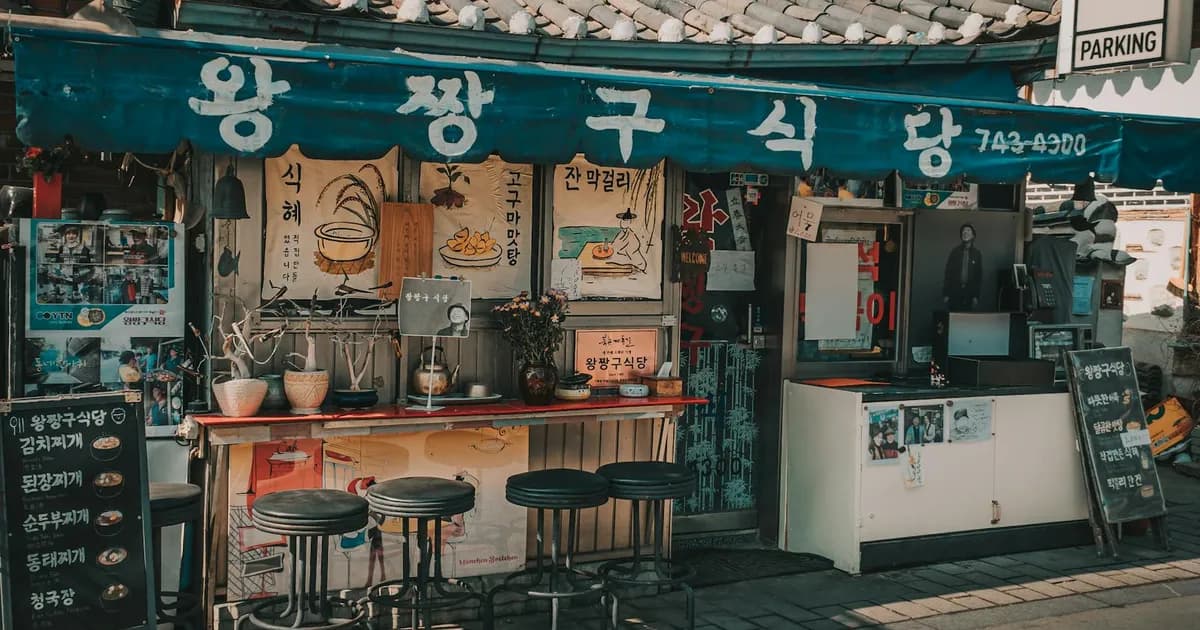
Korean Street Food: I Wasted $300 Before Learning This
I blew $300 on Korean street food in my first week in Seoul before I figured out what locals actually pay. The real cost? About $15-20 per day to eat like royalty.
Here's the truth: tourist-trap street food costs 2-3x what locals pay, and half of it isn't even authentic. I'm going to show you exactly where to eat, what to order, and what those Instagram-famous stands are charging you extra for.
What Korean Street Food Actually Costs (Reality Check)
Real prices from February 2026 in Seoul's major food districts:
📍 Related: 27 Busan Things To Do That'll Ruin Other Cities For You
| Item | Tourist Price | Local Price | Where Locals Go |
|---|---|---|---|
| Tteokbokki (rice cakes) | ₩8,000 ($6) | ₩3,500 ($2.60) | Gwangjang Market |
| Hotteok (sweet pancake) | ₩3,000 ($2.20) | ₩1,500 ($1.10) | Namdaemun Market |
| Odeng (fish cake) | ₩4,000 ($3) | ₩1,000 ($0.75) | Street carts near subway |
| Bungeoppang (fish-shaped pastry) | ₩2,500 ($1.85) | ₩1,000 ($0.75) | Hongdae side streets |
| Gimbap roll | ₩6,000 ($4.50) | ₩3,000 ($2.20) | Any local gimbap chain |
| Fried chicken (whole) | ₩22,000 ($16.50) | ₩16,000 ($12) | Residential neighborhoods |
The pattern: Anything near Myeongdong, Insadong, or Gangnam costs 50-100% more. The exact same vendor setup sells cheaper three blocks away.
💡 Pro tip: If you see English menus prominently displayed, you're paying the tourist tax. Locals don't need English menus.
Gear for This Trip
Compact multi-tool for travel dining — corkscrew, can opener, blade.
Keeps drinks cold 24hrs. Beats paying $8 for water at tourist spots.
Sleek enough for upscale restaurants. Triple-wall vacuum insulated.
Phone dies mid-reservation hunt? 5,000mAh lipstick-sized lifesaver.
As an Amazon Associate I earn from qualifying purchases.
The Best Korean Street Food Districts (Ranked by Value)
★★★★★ Gwangjang Market (광장시장)
📍 Related: 27 Seoul Attractions Free (I Spent $0 for 3 Days)
This is where I should've started. Oldest traditional market in Seoul, zero tourist markup on 80% of stalls.
The good: Bindaetteok (mung bean pancakes) for ₩5,000, mayak gimbap ("drug" gimbap, so addictive) for ₩3,000, and the best tteokbokki I had for ₩3,500. You can eat at the same stalls where ajummas have been cooking for 30+ years.
The bad: It's crowded as hell on weekends. Go weekday mornings (10am-12pm) or late afternoons (3-5pm) before dinner rush.
Best stalls: The bindaetteok row on the north side. Don't ask me for specific stall names—they don't have them. Look for the longest line of locals, not tourists.
Visit Gwangjang Market — official tourism site has updated hours.
★★★★☆ Namdaemun Market (남대문시장)
Cheaper than Gwangjang but slightly more touristy now. Still good value.
I ate kalguksu (knife-cut noodles) for ₩7,000 that would cost ₩12,000 in Myeongdong. The hotteok here is legendary—crispy outside, gooey inside, ₩1,500.
Skip: The seafood stalls near Gate 1. They price like they're in Noryangjin Fish Market but without the quality.
★★★☆☆ Myeongdong (명동)
Look, I know you're going to Myeongdong anyway for shopping. Just accept you're paying 2x for convenience.
The Korean street food here isn't bad, it's just overpriced. That ₩8,000 tteokbokki? It's ₩3,500 at Gwangjang. Same recipe, different zipcode.
Where to eat in Myeongdong: The side streets behind the main drag, especially near Myeongdong Station Exit 10. Prices drop 20-30% once you're off the main tourist corridor.
★★☆☆☆ Hongdae (홍대)
College area, so you'd think cheap. Wrong. It's become Instagram-central, and prices reflect it.
The "creative" Korean street food here (cheese tteokbokki, rainbow-colored hotteok) costs ₩6,000-8,000. It tastes fine, but you're paying for the photo opportunity.
Go for: Late-night fried chicken and beer at the pojangmachas (tent bars). That experience is worth the slightly higher cost.
💡 Pro tip: Hongdae's side streets toward Sangsu Station have way better value. Walk 10 minutes west and save 40%.
blew $300 on Korean street food in my first week in Seoul before I figured out what locals actually pay. The real cost? About $15-20 per day to eat like royalty.Here's the truth: tourist-trap street food costs 2-3x what locals pay, and half of it isn't even authentic. I'm going to show you exactly where to eat, what to order, and what those Instagram-famous stands are charging you extra for.
What Korean Street Food Actually Costs (Reality Check)
Real prices from February 2026 in Seoul's major food districts:
📍 Related: 27 Busan Things To Do That'll Ruin Other Cities For You
| Item | Tourist Price | Local Price | Where Locals Go |
|---|---|---|---|
| Tteokbokki (rice cakes) | ₩8,000 ($6) | ₩3,500 ($2.60) | Gwangjang Market |
| Hotteok (sweet pancake) | ₩3,000 ($2.20) | ₩1,500 ($1.10) | Namdaemun Market |
| Odeng (fish cake) | ₩4,000 ($3) | ₩1,000 ($0.75) | Street carts near subway |
| Bungeoppang (fish-shaped pastry) | ₩2,500 ($1.85) | ₩1,000 ($0.75) | Hongdae side streets |
| Gimbap roll | ₩6,000 ($4.50) | ₩3,000 ($2.20) | Any local gimbap chain |
| Fried chicken (whole) | ₩22,000 ($16.50) | ₩16,000 ($12) | Residential neighborhoods |
The pattern: Anything near Myeongdong, Insadong, or Gangnam costs 50-100% more. The exact same vendor setup sells cheaper three blocks away.
💡 Pro tip: If you see English menus prominently displayed, you're paying the tourist tax. Locals don't need English menus.
The Best Korean Street Food Districts (Ranked by Value)
★★★★★ Gwangjang Market (광장시장)
📍 Related: 27 Seoul Attractions Free (I Spent $0 for 3 Days)
This is where I should've started. Oldest traditional market in Seoul, zero tourist markup on 80% of stalls.
The good: Bindaetteok (mung bean pancakes) for ₩5,000, mayak gimbap ("drug" gimbap, so addictive) for ₩3,000, and the best tteokbokki I had for ₩3,500. You can eat at the same stalls where ajummas have been cooking for 30+ years.
The bad: It's crowded as hell on weekends. Go weekday mornings (10am-12pm) or late afternoons (3-5pm) before dinner rush.
Best stalls: The bindaetteok row on the north side. Don't ask me for specific stall names—they don't have them. Look for the longest line of locals, not tourists.
Visit Gwangjang Market — official tourism site has updated hours.
★★★★☆ Namdaemun Market (남대문시장)
Cheaper than Gwangjang but slightly more touristy now. Still good value.
I ate kalguksu (knife-cut noodles) for ₩7,000 that would cost ₩12,000 in Myeongdong. The hotteok here is legendary—crispy outside, gooey inside, ₩1,500.
Skip: The seafood stalls near Gate 1. They price like they're in Noryangjin Fish Market but without the quality.
★★★☆☆ Myeongdong (명동)
Look, I know you're going to Myeongdong anyway for shopping. Just accept you're paying 2x for convenience.
The Korean street food here isn't bad, it's just overpriced. That ₩8,000 tteokbokki? It's ₩3,500 at Gwangjang. Same recipe, different zipcode.
Where to eat in Myeongdong: The side streets behind the main drag, especially near Myeongdong Station Exit 10. Prices drop 20-30% once you're off the main tourist corridor.
★★☆☆☆ Hongdae (홍대)
College area, so you'd think cheap. Wrong. It's become Instagram-central, and prices reflect it.
The "creative" Korean street food here (cheese tteokbokki, rainbow-colored hotteok) costs ₩6,000-8,000. It tastes fine, but you're paying for the photo opportunity.
Go for: Late-night fried chicken and beer at the pojangmachas (tent bars). That experience is worth the slightly higher cost.
💡 Pro tip: Hongdae's side streets toward Sangsu Station have way better value. Walk 10 minutes west and save 40%.
What to Order: The Essential Korean Street Food List
Tteokbokki (떡볶이) — Spicy Rice Cakes
📍 Related: Best Area to Stay in Seoul: I Lived in All 7
The signature Korean street food. Chewy rice cakes in gochujang (red chili paste) sauce.
- Local price: ₩3,000-4,000 for a generous portion
- What tourists pay: ₩6,000-8,000 in Myeongdong
- Where to get it: Gwangjang Market, literally any cart near subway stations after 5pm
Variations you'll see:
| Type | What It Is | Worth It? | Price Range |
|---|---|---|---|
| Regular tteokbokki | Classic spicy | ★★★★★ YES | ₩3,000-4,000 |
| Cheese tteokbokki | Topped with melted cheese | ★★★☆☆ Meh | ₩5,000-7,000 |
| Rabokki | Tteokbokki + ramyeon noodles | ★★★★☆ Good value | ₩4,000-5,000 |
| Jjolbokki | Chewier, sweeter version | ★★★☆☆ Once is enough | ₩3,500-4,500 |
Real talk: The cheese version is for tourists. Koreans eat regular tteokbokki and add free odeng (fish cake) broth on the side.
Hotteok (호떡) — Sweet Pancakes
My personal addiction. Fried dough filled with brown sugar, cinnamon, and crushed peanuts.
- Local price: ₩1,000-1,500
- Tourist price: ₩2,500-3,000
- Peak season: Winter (October-March)
The best hotteok I found was at Namdaemun Market near Gate 5. The ajumma's been there 20+ years. It's ₩1,500 and she fries it fresh while you wait.
Variations popping up: green tea hotteok, cheese hotteok, sweet potato hotteok. They're fine, but the original brown sugar version is still the best.
Gimbap (김밥) — Korean Rice Rolls
Not sushi. Stop calling it that.
This is the Korean working person's lunch—rice, vegetables, egg, and usually some protein rolled in seaweed.
| Gimbap Type | What's Inside | Price (Local Chains) | My Rating |
|---|---|---|---|
| Classic gimbap | Vegetables, egg, ham | ₩2,500-3,000 | ★★★★☆ |
| Chamchi (tuna) | Canned tuna, mayo | ₩3,000-3,500 | ★★★☆☆ |
| Bulgogi gimbap | Marinated beef | ₩4,000-4,500 | ★★★★★ |
| Cheese gimbap | Yes, they put cheese | ₩3,500-4,000 | ★★☆☆☆ |
| Chungmu gimbap | Just rice & seaweed, sides separate | ₩4,000-5,000 | ★★★★☆ |
Best chains: Kim Gimbap (김가네), Gimbap Cheonguk (김밥천국). Every neighborhood has them. Open 24/7 in some areas.
Check Gimbap Cheonguk locations on Naver Map — it's Korea's Google Maps but actually works here.
Bungeoppang (붕어빵) — Fish-Shaped Pastry
Winter street food classic. Fish-shaped waffle filled with sweet red bean paste.
- Price: ₩1,000-1,500 (usually 3-5 pieces)
- Season: October-March (you won't find it in summer)
- Where: Every subway station, every corner during winter
The vendors with the longest lines make them crispier. Watch for the golden-brown color, not the pale yellow ones.
New filling options: Cream, custard, pizza (wtf), sweet potato. The red bean is still the best, fight me.
Odeng (오뎅) — Fish Cake Skewers
The best ₩1,000 you'll spend. Fish cake on a stick in hot broth.
This is survival food during Korean winters. The broth is free—you help yourself to cups from the giant pot. Etiquette: Pay for how many skewers you take, drink as much broth as you want.
Where to find it: Literally everywhere, but the best ones are near Namdaemun Market and Dongdaemun.
💡 Pro tip: Order odeng with tteokbokki. The mild broth balances the spicy rice cakes perfectly. Locals do this instinctively.
Korean Fried Chicken: The Exception to Street Food
Korean fried chicken isn't technically street food, but you can't visit Korea without it.
This is where I actually recommend spending more. ₩16,000-20,000 for a whole chicken is worth it when it's done right.
| Chain | Style | Price (Whole) | My Take |
|---|---|---|---|
| BHC | Crispy, saucy options | ₩18,000-21,000 | ★★★★☆ Tourist-friendly |
| Kyochon | Double-fried, crispy AF | ₩20,000-23,000 | ★★★★★ Worth the hype |
| BBQ Chicken | Olive oil fried | ₩17,000-20,000 | ★★★☆☆ Overrated |
| Pelicana | Old-school style | ₩16,000-19,000 | ★★★★☆ Best value |
| Mom's Touch | Fast-food style | ₩8,000-12,000 | ★★★☆☆ Quick fix |
Order guide:
- Half yangnyeom (sweet spicy sauce), half original
- Get pickled radish (free) to cut the grease
- Order beer or soda—chicken without drinks is criminal in Korea
Check Kyochon Chicken menu and locations — they deliver almost everywhere in Seoul.
The Tourist Traps (What to Skip)
Rainbow-Colored Everything in Hongdae
Those rainbow cheese hotdogs, rainbow cotton candy, rainbow whatever? You're paying ₩6,000-8,000 for food coloring.
The regular versions taste better and cost ₩3,000-4,000. The Instagram tax is real.
"Premium" Tteokbokki in Myeongdong
Some stalls charge ₩10,000+ for "premium" tteokbokki with seafood and mozzarella. It's not traditional, and it's not worth it.
Real Korean street food is cheap food done exceptionally well. Once you add "premium" anything, you're in restaurant territory where you should just go to an actual restaurant.
Insadong Tea Houses Disguised as "Traditional Experience"
₩15,000 for tea and a small snack while sitting on the floor isn't Korean street food culture. That's tourism theater.
Go to Ikseon-dong Hanok Village instead. Similar vibe, but locals actually hang out there. Prices are 30% lower.
Digital Nomad Corner: Best Areas to Eat + Work
I spent six months in Seoul eating Korean street food while working remotely. Here's where I actually got work done.
Mangwon Market Area (망원시장)
My #1 recommendation for digital nomads.
- Cheap Korean street food in the morning market
- Tons of cafes with good WiFi along Mangwon-ro
- Quiet residential vibe, not touristy
- Realistic daily budget: ₩15,000-20,000 for food + coffee
Routine: Market breakfast (₩5,000), cafe work session (₩6,000 coffee), market lunch (₩6,000), cafe again (₩6,000), convenience store dinner (₩4,000).
Yeonnam-dong (연남동)
Close to Hongdae but way more chill. The Korean street food here is still reasonable—₩3,000-5,000 range.
Coffee shops everywhere, most have good seating and don't kick you out. Budget ₩12,000-15,000/day for cafe fees if you're posting up all day.
Seoul Forest Area (서울숲)
Solid for weekend work. The park has free WiFi, and the surrounding area has good street food near Seongsu Station.
Korean street food carts set up around the park on weekends. Expect ₩10,000-15,000 for a full day of eating here.
Monthly Korean Street Food Budget (Real Numbers)
I tracked every meal for three months. Here's what I actually spent:
| Meal | Tourist Areas | Local Areas | My Actual Avg |
|---|---|---|---|
| Breakfast | ₩8,000 ($6) | ₩4,000 ($3) | ₩5,000 ($3.75) |
| Lunch | ₩12,000 ($9) | ₩6,000 ($4.50) | ₩7,000 ($5.25) |
| Dinner | ₩15,000 ($11.25) | ₩8,000 ($6) | ₩10,000 ($7.50) |
| Snacks/Coffee | ₩8,000 ($6) | ₩4,000 ($3) | ₩5,000 ($3.75) |
| Daily Total | ₩43,000 ($32.25) | ₩22,000 ($16.50) | ₩27,000 ($20.25) |
Monthly breakdown (30 days):
- Tourist-heavy diet: ₩1,290,000 ($967.50)
- Smart local diet: ₩660,000 ($495)
- My hybrid approach: ₩810,000 ($607.50)
That's a ₩480,000 ($360) difference per month between eating like a tourist vs eating like a local.
💡 Pro tip: Your first week, you'll eat touristy and spend ₩40,000/day. By week three, you'll drop to ₩25,000/day naturally as you find your spots.
Korean Street Food vs Restaurant Korean Food (When to Choose What)
Street food wins when: You want authentic flavors fast and cheap. Tteokbokki, hotteok, gimbap, odeng—these are perfected at street level.
Restaurants win when: You want Korean BBQ, jjigae (stew), or anything requiring tableside cooking. Seoul Korean BBQ spots start at ₩15,000/person but you're getting the full experience.
The hybrid approach I recommend:
- Breakfast: Street food or convenience store (₩3,000-5,000)
- Lunch: Street food or cheap gimbap chain (₩5,000-7,000)
- Dinner: Restaurant every 2-3 days, street food otherwise (average ₩10,000)
This gives you variety without destroying your budget, and you experience both sides of Korean food culture.
Best Times to Eat Korean Street Food
Morning (7am-10am)
What's available: Hotteok, bungeoppang, gimbap, market breakfast stalls
Markets are fresh, crowds are local workers, prices are lowest. This is when I did most of my eating.
Lunch (12pm-2pm)
What's available: Everything, but you'll wait in lines
The noon rush is real. If you're hitting Korean street food for lunch, go at 11:30am or after 1:30pm.
Evening (6pm-9pm)
What's available: Peak variety, all vendors out
This is prime time for Korean street food, especially in winter. Prices don't change, but portions might be slightly smaller as vendors manage inventory.
Late Night (10pm-2am)
What's available: Fried chicken, pojangmacha (tent bars), limited street snacks
Late-night Korean street food is more about the drinking culture. Expect to pay ₩15,000-25,000 for chicken + beer, which is fair.
What Nobody Tells You About Korean Street Food
1. There Are No Trash Cans
Seriously. Korea removed most public trash cans years ago. You'll be carrying your trash around or trying to sneakily dump it at convenience stores.
Bring a small plastic bag in your daypack. Or do what I did: eat at stalls with seating where they handle disposal.
2. Spicy Means SPICY
Korean spicy isn't Thai spicy or Indian spicy, but it's persistent. That tteokbokki will burn consistently for the entire meal.
Can't handle spice? Order:
- Gimbap (not spicy)
- Hotteok (sweet)
- Bungeoppang (sweet)
- Odeng (mild)
- Gyeran-ppang (egg bread, savory)
3. Most Street Vendors Are Cash-Only... Until They're Not
This is changing fast. By 2026, most Korean street food vendors in Seoul take cards or KakaoPay. But market stalls in Gwangjang? Still mostly cash.
Bring: ₩20,000-30,000 in cash for market days. That's enough for a full day of eating with buffer.
4. Portions Are Meant for Sharing
When you see locals order one tteokbokki and three people dig in—that's normal. Korean street food is social eating.
Solo travelers: Order half portions if available (ban-ppun, 반분), or accept you'll be full after one dish.
5. The Ajummas Will Feed You Extra If They Like You
This happened to me constantly. Smile, say "mashisoyo" (맛있어요, "it's delicious"), and suddenly you're getting free extra fish cakes in your tteokbokki.
Korean street food culture runs on mutual respect. Be nice to the vendors, and they'll be nice back.
Your Day-by-Day Korean Street Food Itinerary
Day 1: Start Easy (Myeongdong/Insadong)
Budget: ₩25,000
Yeah, it's touristy, but you're jet-lagged and need easy wins. Eat whatever looks good without worrying about finding the "authentic" spot yet.
- Morning: Convenience store breakfast (₩4,000)
- Lunch: Myeongdong tteokbokki + odeng (₩8,000)
- Snack: Hotteok (₩2,500)
- Dinner: Insadong gimbap + mandu (₩8,000)
- Coffee: Any cafe (₩5,000)
Day 2-3: Hit the Markets (Gwangjang + Namdaemun)
Budget: ₩20,000/day
Now you're ready for the real Korean street food experience.
- Morning: Namdaemun market breakfast (₩5,000)
- Lunch: Gwangjang Market bindaetteok + mayak gimbap (₩8,000)
- Snack: Bungeoppang from street cart (₩1,000)
- Dinner: Tteokbokki + Korean fried chicken (split with someone, ₩12,000 your share)
Day 4+: Explore Neighborhoods
Budget: ₩15,000-20,000/day
You've got the basics. Now follow your taste buds.
Mangwon Market, Tongin Market, random subway station food carts—this is where Korean street food gets fun because you're off-script.
Daily Budget Breakdown: Three Spending Levels
| Category | Budget | Mid-Range | Splurge |
|---|---|---|---|
| Breakfast | Convenience store ₩3,000 | Market stall ₩5,000 | Cafe + pastry ₩8,000 |
| Lunch | Gimbap chain ₩4,000 | Korean street food variety ₩8,000 | Restaurant ₩12,000 |
| Dinner | Street tteokbokki ₩5,000 | Mixed street food ₩10,000 | Korean BBQ ₩20,000 |
| Snacks | Hotteok/bungeoppang ₩2,000 | Multiple snacks ₩5,000 | Cafe dessert ₩8,000 |
| Coffee/Drinks | Convenience store ₩2,000 | Cafe coffee ₩5,000 | Multiple cafes ₩10,000 |
| DAILY TOTAL | ₩16,000 ($12) | ₩33,000 ($24.75) | ₩58,000 ($43.50) |
My recommendation: Start mid-range for your first week, then drop to budget as you find your spots. You'll average ₩25,000/day ($18.75) which is sustainable for months.
If you're staying long-term, budget ₩750,000/month ($562.50) for food. That includes mix of Korean street food and restaurants.
💡 Related: Tokyo on $50/Day: I Tracked Every Yen for a Week
💡 Related: Jeju Weather Guide: Don't Book Until You Read This
💡 Related: I Tested 47 Busan Itineraries. Here's What Works.
FAQ
Q. Is Korean street food safe to eat?
Yes, extremely safe. Seoul's food safety standards are strict. I ate street food daily for six months and never got sick once.
The vendors with long lines of locals? Those are your safest bets. High turnover means fresh ingredients. Watch for carts that keep food at proper temperatures—hot stuff steaming hot, cold stuff properly chilled.
Avoid: Street food that's been sitting out looking sad with no customers. That's your only real risk.
Q. Can I eat Korean street food as a vegetarian?
Possible but limited. Korean street food is heavily meat and seafood-based. Even "vegetarian" dishes often use fish stock.
Actual vegetarian options: Hotteok, bungeoppang (check filling—usually red bean), plain gimbap (ask for "yachae gimbap" 야채김밥), roasted sweet potato, gyeran-ppang (egg bread, if you eat eggs).
Hidden animal ingredients watch: Tteokbokki usually has fish cakes, odeng is literally fish cake, most broths use anchovy stock.
Korean street food culture doesn't really have "vegetarian" as a concept. You'll do better at restaurants with Buddhist temple food or modern vegetarian spots.
Q. How much should I tip at Korean street food stalls?
Zero. Don't tip. Tipping isn't part of Korean culture—it can actually be offensive.
The price on the menu is the price. You pay exactly that, maybe round up to the nearest ₩1,000 if you're paying cash and don't want change, but even that's optional.
Some vendors might initially refuse payment thinking you're trying to tip. Just insist politely and they'll take the money.
Q. What's the best Korean street food for first-timers who don't like spicy food?
Start with these: Hotteok (sweet pancake), gimbap (rice roll), gyeran-ppang (egg bread), bungeoppang (fish-shaped pastry), grilled sweet potato, Korean fried chicken (get non-spicy original flavor).
All of these are either sweet or mild savory. No spice at all. Once you're comfortable, try tteokbokki but ask for "an-mae" (안맵게, "not spicy") version—though honestly, tteokbokki without spice is weird.
Skip until you're ready for heat: Anything labeled "buldak," most tteokbokki, spicy gimbap variations.
Q. Can I find Korean street food outside of Seoul?
Absolutely, and it's often cheaper. Busan's Gukje Market and Jagalchi Fish Market have incredible Korean street food for 20-30% less than Seoul.
Jeonju is famous for bibimbap but also has great street food culture—their Nambu Market is less touristy than anything in Seoul. Gwangju, Daegu, and every mid-size Korean city has market areas with authentic Korean street food.
Small towns: Even random subway stations in small cities have tteokbokki and hotteok carts. Korean street food culture is everywhere, not just Seoul.
The best Korean street food experiences I had were actually in neighborhood markets in places like Suwon and Incheon—same quality, 40% cheaper, zero tourists.
Bottom line: Korean street food is the best deal in Seoul if you know where to look. Skip Myeongdong, hit the markets, learn to say "mashisoyo" to the ajummas, and budget ₩20,000-25,000/day. You'll eat better than most tourists spending twice that at restaurants.
That $300 I wasted? It taught me everything in this guide. Now you don't have to make the same mistakes.