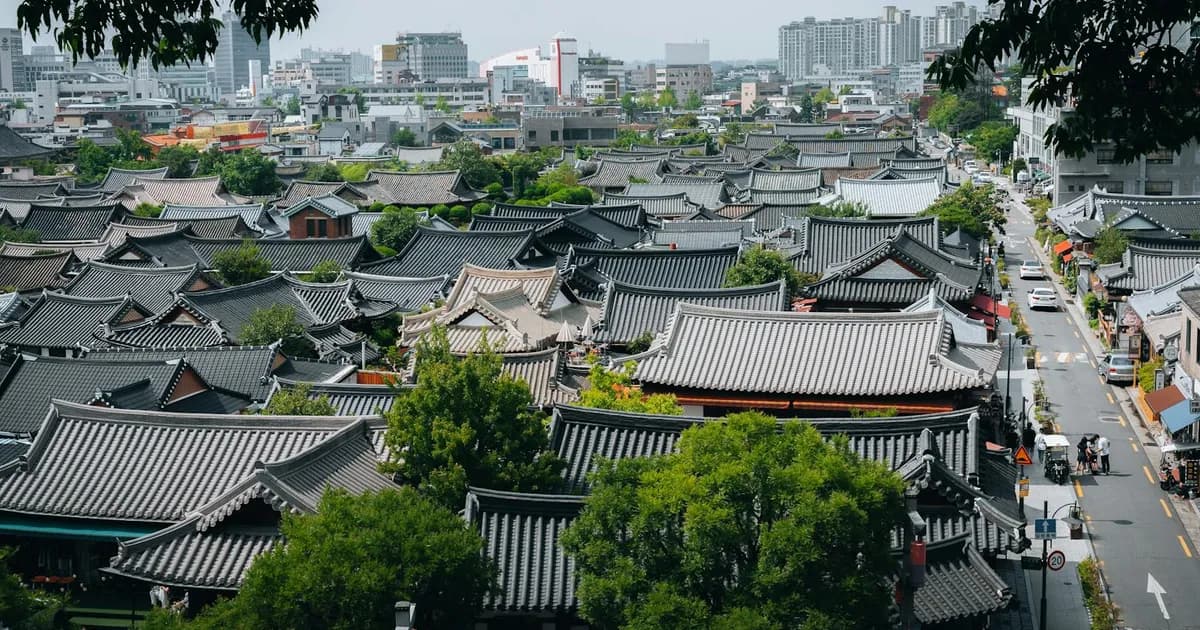
Don't Book Korea Until You See These 12 Places
The most beautiful places in South Korea aren't the ones flooding your Instagram feed. After two years here bouncing between Seoul and random mountain temples with my laptop, I've learned the hard way which spots actually deliver and which ones are pure tourist traps. Jeju's overrated beaches? Skip them. That one temple everyone posts? Meh. But a frozen waterfall in Gangwon-do in February? Now we're talking.
I'll break down 12 actually beautiful places in South Korea—with real costs, transit details, and the digital nomad angle nobody else covers.
The Real Winners: Cost vs Beauty Breakdown
For beautiful places in south korea, here's what matters before you start planning:
📍 Related: 27 Busan Things To Do That'll Ruin Other Cities For You
| Destination | Beauty Rating | Cost (Daily) | Crowd Level | Best Season | WiFi Quality |
|---|---|---|---|---|---|
| Seoraksan National Park | ★★★★★ | $45-70 | Medium | Oct-Nov | Weak |
| Boseong Green Tea Fields | ★★★★★ | $50-80 | Low | May-Jun | Medium |
| Jeju Seongsan Sunrise Peak | ★★★★☆ | $80-120 | HIGH | Apr-May | Good |
| Bukchon Hanok Village | ★★★☆☆ | $60-100 | VERY HIGH | Sep-Nov | Excellent |
| Nami Island | ★★★☆☆ | $70-110 | HIGH | Oct-Nov | Good |
| Jeonju Hanok Village | ★★★★☆ | $55-85 | Medium | Apr-May | Good |
| Busan Gamcheon Culture Village | ★★★★☆ | $60-95 | High | Mar-Apr | Good |
| Damyang Bamboo Forest | ★★★★★ | $40-65 | Low | Year-round | Weak |
| Andong Hahoe Village | ★★★★☆ | $50-75 | Low | Sep-Oct | Medium |
| Taean Tulip Festival | ★★★★☆ | $55-80 | Medium | Apr-May | Weak |
| Namhae German Village | ★★★☆☆ | $60-90 | Low | Oct-Nov | Medium |
| Hwaseong Fortress | ★★★★☆ | $45-70 | Medium | Mar-May | Good |
💡 Pro tip: The "Low Crowd" destinations are where you'll get the best photos without elbowing through tour groups. I literally had Damyang's bamboo forest to myself on a Tuesday morning in March.
Gear for This Trip
Perfect city daypack. Fits laptop, water bottle, and snacks without bulk.
All-day exploring needs all-day battery. Compact and fast-charging.
Block out subway noise, enjoy podcasts between stops.
Phone cameras are good. This is better — fits in your pocket.
As an Amazon Associate I earn from qualifying purchases.
What Makes a Korean Destination Actually Beautiful (Not Just 'Grammable)
For beautiful places in south korea, i'm setting the record straight because Korea has a serious problem with Instagram bait locations.
📍 Related: 27 Seoul Attractions Free (I Spent $0 for 3 Days)
Beauty isn't just aesthetics. It's accessibility + atmosphere + authenticity. A temple courtyard at 6am with incense smoke drifting through pine trees? Beautiful. The same temple at 2pm packed with tour buses and people posing with peace signs? Tourist hell.
Here's my filtering criteria for beautiful places in South Korea:
- Authentic cultural context (not a recreation for tourists)
- Accessible without a car OR worth renting one
- Photo opportunities that aren't staged selfie zones
- Reasonable costs (Korea can be expensive if you don't know the tricks)
- Laptop-friendly nearby areas (my digital nomad tax)
I'll break down 12 actually beautiful places in South Korea—with real costs, transit details, and the digital nomad angle nobody else covers.
The Real Winners: Cost vs Beauty Breakdown
For beautiful places in south korea, here's what matters before you start planning:
📍 Related: 27 Busan Things To Do That'll Ruin Other Cities For You
| Destination | Beauty Rating | Cost (Daily) | Crowd Level | Best Season | WiFi Quality |
|---|---|---|---|---|---|
| Seoraksan National Park | ★★★★★ | $45-70 | Medium | Oct-Nov | Weak |
| Boseong Green Tea Fields | ★★★★★ | $50-80 | Low | May-Jun | Medium |
| Jeju Seongsan Sunrise Peak | ★★★★☆ | $80-120 | HIGH | Apr-May | Good |
| Bukchon Hanok Village | ★★★☆☆ | $60-100 | VERY HIGH | Sep-Nov | Excellent |
| Nami Island | ★★★☆☆ | $70-110 | HIGH | Oct-Nov | Good |
| Jeonju Hanok Village | ★★★★☆ | $55-85 | Medium | Apr-May | Good |
| Busan Gamcheon Culture Village | ★★★★☆ | $60-95 | High | Mar-Apr | Good |
| Damyang Bamboo Forest | ★★★★★ | $40-65 | Low | Year-round | Weak |
| Andong Hahoe Village | ★★★★☆ | $50-75 | Low | Sep-Oct | Medium |
| Taean Tulip Festival | ★★★★☆ | $55-80 | Medium | Apr-May | Weak |
| Namhae German Village | ★★★☆☆ | $60-90 | Low | Oct-Nov | Medium |
| Hwaseong Fortress | ★★★★☆ | $45-70 | Medium | Mar-May | Good |
💡 Pro tip: The "Low Crowd" destinations are where you'll get the best photos without elbowing through tour groups. I literally had Damyang's bamboo forest to myself on a Tuesday morning in March.
What Makes a Korean Destination Actually Beautiful (Not Just 'Grammable)
For beautiful places in south korea, i'm setting the record straight because Korea has a serious problem with Instagram bait locations.
📍 Related: 27 Seoul Attractions Free (I Spent $0 for 3 Days)
Beauty isn't just aesthetics. It's accessibility + atmosphere + authenticity. A temple courtyard at 6am with incense smoke drifting through pine trees? Beautiful. The same temple at 2pm packed with tour buses and people posing with peace signs? Tourist hell.
Here's my filtering criteria for beautiful places in South Korea:
- Authentic cultural context (not a recreation for tourists)
- Accessible without a car OR worth renting one
- Photo opportunities that aren't staged selfie zones
- Reasonable costs (Korea can be expensive if you don't know the tricks)
- Laptop-friendly nearby areas (my digital nomad tax)
Seoraksan National Park: The Mountain That Ruined Other Mountains for Me
★★★★★ | $45-70/day | 2-3 days minimum
📍 Related: Best Area to Stay in Seoul: I Lived in All 7
This is THE most beautiful place in South Korea, and I'll fight anyone who disagrees.
Seoraksan demolished my expectations of what Korean nature could be. The granite peaks, the waterfalls, the cable car up to Gwongeumseong Fortress—it's all absurdly gorgeous. I spent four days here in October 2024 and still felt like I needed more time.
Getting There & Costs
| Transport Option | Cost | Time from Seoul | Notes |
|---|---|---|---|
| Express Bus (Seoul → Sokcho) | ₩20,000 ($15) | 2.5 hours | Most convenient |
| KTX + Local Bus | ₩45,000 ($35) | 3 hours | Comfortable but pricey |
| Rental Car | ₩70,000/day ($55) | 2.5 hours | Best for freedom |
Park entrance: ₩3,500 ($3) — criminally cheap for what you get.
Cable car to Gwongeumseong: ₩11,000 ($8.50) round trip. Worth it for the fortress ruins and the view, but skip it if you're hiking the full Ulsanbawi trail anyway.
Where to Stay
Sokcho city (15 minutes from the park entrance) has better accommodation deals than the park villages.
Budget: Sokcho hostels around ₩25,000 ($20)/night. WiFi is decent enough for Zoom calls if you're working remotely.
Mid-range: Kensington Resort Seorak Valley starts at ₩140,000 ($110)/night check current rates. I stayed here once when my knees hurt from hiking—solid WiFi, comfortable beds, breakfast included.
💡 Pro tip: Book Sokcho accommodations, not Seoraksan village accommodations. You'll save 30-40% and the bus runs every 20 minutes to the park entrance.
The Hikes Worth Your Time
Ulsanbawi Rock Trail: 3.5km, 2-3 hours round trip, 800+ metal stairs near the top. This kicked my ass but the 360° views from the top are unmatched. Go early (6am start) to avoid the crowds.
Biryong Falls Trail: 5.6km round trip, easy-moderate, gorgeous waterfall at the end. This is my favorite "I don't want to die today" hike option.
Skip this: Heundeulbawi (Rocking Rock). It's just a rock that wobbles. People wait 30 minutes for a photo op. Your time is worth more.
Daily Budget Breakdown
| Expense | Budget | Mid-range | Splurge |
|---|---|---|---|
| Accommodation | ₩25,000 | ₩80,000 | ₩150,000 |
| Food (3 meals) | ₩20,000 | ₩35,000 | ₩55,000 |
| Park entrance | ₩3,500 | ₩3,500 | ₩3,500 |
| Cable car | Skip | ₩11,000 | ₩11,000 |
| Transport | ₩5,000 | ₩10,000 | ₩20,000 |
| TOTAL | ₩53,500 ($42) | ₩139,500 ($110) | ₩239,500 ($188) |
Boseong Green Tea Fields: The Korea Nobody Talks About
★★★★★ | $50-80/day | 1-2 days
I stumbled into Boseong by accident while avoiding Seoul for a month, and it became my favorite beautiful place in South Korea that tourists ignore.
These aren't just tea fields. They're perfectly manicured rolling hills of green that look computer-generated. The walking paths between the tea rows, the observation deck at the top, the complete absence of crowds—this is what I came to Korea for.
Logistics Real Talk
Getting here without a car sucks. Rent a car if possible—it's a 3-hour drive from Seoul on weekends (longer on weekdays).
Public transport: KTX to Boseong Station (₩45,000/$35, 3 hours), then local bus 10 (₩1,500/$1.20, 30 minutes). Buses run every hour. Miss one, you're screwed.
Entrance: ₩4,000 ($3). They close at 6pm, but sunset timing means arrive by 4:30pm if you want golden hour photos.
💡 Pro tip: The Boseong Green Tea Festival runs every May. Avoid it unless you love crowds. I visited in early June instead—still green, zero tourists, perfect weather.
Working Remote From Boseong
This was my secret weapon. I stayed at a random guesthouse in Boseong village (₩40,000/$31 per night) with surprisingly good WiFi and worked mornings, explored afternoons.
Best cafe for laptop work: Dawon Tea Cafe near the plantation. Order the green tea latte (₩5,500/$4.30), get free refills, use their WiFi for 4+ hours. The owner didn't care as long as I bought something every 2 hours.
Skip This Tourist Trap
Daehan Dawon Tea Museum: ₩5,000 entry, mostly gift shop, very little actual museum. Just walk the fields instead.
Jeju Island: Overrated But These Spots Still Deliver
★★★★☆ | $80-120/day | 4-5 days minimum
Let me be clear: Jeju is overrated. It's Korea's honeymoon destination, which means inflated prices and crowds. But some spots are legitimately beautiful places in South Korea worth the hassle.
What's Actually Worth Your Time
Seongsan Ilchulbong (Sunrise Peak): ★★★★★
₩5,000 entry. The sunrise is magical if you can drag yourself out of bed at 4:30am. The hike takes 30 minutes up, and you'll share the summit with 200 other people, but the volcanic crater view at dawn is legitimately gorgeous.
Hallasan Mountain: ★★★★☆
Free entry. South Korea's tallest mountain. The Seongpanak trail (9.6km one-way) is exhausting but doable for average fitness levels. I made it to the crater lake in 4.5 hours. Pack snacks—there are no vendors past the entrance.
Skip these Jeju tourist traps:
- Loveland (sex-themed sculpture park — it's cringy, not nice)
- Most of the beaches (crowded, nothing special compared to Southeast Asia)
- Teddy Bear Museum (why does this exist?)
Jeju Costs: The Reality Check
| Expense | Cost | Notes |
|---|---|---|
| Rental Car (mandatory) | ₩65,000/day ($51) | You NEED a car in Jeju |
| Accommodation | ₩60,000-150,000 ($47-118) | Guesthouses → hotels |
| Food (daily) | ₩30,000-50,000 ($24-39) | Korean meals + seafood |
| Gas | ₩15,000/day ($12) | Driving around the whole island |
| Attractions (3-4 sites) | ₩20,000 ($16) | Entry fees add up |
| TOTAL | ₩190,000-300,000 ($149-236) | Per day |
Jeju is expensive. If you're on a tight budget, skip it and spend more time in beautiful places in South Korea that don't require a rental car.
Bukchon Hanok Village vs Jeonju Hanok Village: The Hanok Showdown
For beautiful places in south korea, both are beautiful traditional Korean villages. Both are overhyped. But one is actually worth visiting.
Head-to-Head Comparison
| Category | Bukchon (Seoul) | Jeonju (Jeonbuk) | Winner |
|---|---|---|---|
| Authenticity | ★★☆☆☆ | ★★★★☆ | Jeonju |
| Crowd Level | NIGHTMARE | Manageable | Jeonju |
| Photo Ops | Good (if you wake up at 6am) | Excellent (all day) | Jeonju |
| Cost | Free entry, expensive food | Free entry, cheap food | Jeonju |
| Tourist Trap Level | High | Medium | Jeonju |
| WiFi/Cafes | Excellent | Good | Bukchon |
| Time Needed | 2 hours | Half day + overnight | - |
Verdict: Jeonju wins. Bukchon is Instagram set dressing in Seoul—it's pretty, but it's also crammed with tourists taking the exact same photo on the same uphill street. Residents literally have "please be quiet" signs everywhere because influencers are ruining their neighborhood.
Jeonju Hanok Village: The Better Choice
★★★★☆ | $55-85/day | Overnight stay recommended
What makes Jeonju special: You can actually stay overnight in a traditional hanok. I stayed at a guesthouse for ₩50,000 ($39) with ondol floor heating and traditional bedding. The experience matters more than the comfort level (spoiler: sleeping on the floor is not comfortable).
Getting there: KTX from Seoul Station to Jeonju Station (₩31,300/$25, 2 hours). From Jeonju Station, bus 5-1 to the hanok village (₩1,500/$1.20, 25 minutes).
💡 Pro tip: Jeonju is Korea's food capital. Skip the fancy restaurants and hit up the street food alley at night. Jeonju bibimbap (₩10,000/$8) is the real deal here—way better than Seoul's expensive Korean restaurant versions.
What to Actually Do in Jeonju
Morning: Walk the empty streets at 7am before tour groups arrive. This is golden hour for photos and peaceful vibes.
Afternoon: Jeonju Traditional Wine Museum (free), then rent a hanbok for photos (₩15,000/$12 for 2 hours). Yes, it's touristy, but it's fun if you don't take yourself too seriously.
Evening: Korean street food crawl. Get hotteok (sweet pancakes), tteokbokki (spicy rice cakes), and makgeolli (rice wine) at the night market. Budget ₩15,000 ($12) for a full stomach.
Skip this: Gyeonggijeon Shrine. It's fine, but if you've been to other temples in Korea, you've seen better.
Damyang Bamboo Forest: My Secret Weapon Destination
★★★★★ | $40-65/day | Half-day trip
This is the most underrated beautiful place in South Korea. Period.
Damyang Juknokwon is a massive bamboo forest with walking paths that feel like another world. The light filtering through the bamboo canopy, the sound of wind through the stalks, the complete absence of crowds—I had entire sections to myself on a Tuesday morning.
The Practical Stuff
From Seoul: KTX to Gwangju Songjeong Station (₩42,000/$33, 2.5 hours), then bus to Damyang (₩4,500/$3.50, 45 minutes). Or rent a car and make it a day trip from Jeonju (1 hour drive).
Entrance: ₩3,000 ($2.40). Open 9am-7pm. Go early or late afternoon—midday sun kills the magical forest vibe.
Time needed: 2-3 hours to walk the full trail system leisurely.
Why This Beats Arashiyama Bamboo Grove (Japan)
Hot take: Damyang's bamboo forest is better than Kyoto's famous Arashiyama. Here's why:
- No crowds: Arashiyama has thousands of tourists. Damyang has dozens.
- Cheaper: Japan's bamboo grove area is expensive AF. Damyang is cheap.
- More extensive trails: Damyang has multiple paths and loops. Arashiyama is one straight path.
I've been to both. Damyang wins if you care about actual beauty over checking off bucket list items.
💡 Pro tip: Combine Damyang with Soswaewon Garden (20 minutes away). It's a traditional Korean garden with a pond, pavilions, and zero tourists. Entry is ₩2,000 ($1.60).
Busan's Gamcheon Culture Village: Pretty But Exhausting
★★★★☆ | $60-95/day | Half-day visit
Gamcheon is beautiful in photos. In person, it's beautiful but also a cardio workout disguised as sightseeing.
The reality: This hillside village is covered in colorful murals and art installations. It's genuinely photogenic. But the entire village is on a 45° incline, and you'll climb 1,000+ stairs exploring it. My calves were screaming.
Is It Worth Visiting?
Yes, if: You're already in Busan, you like street art, and you're okay with crowds.
Skip if: You have limited time in Korea and want authentic cultural experiences. This is more art project than traditional village.
Cost: Free to walk around. Some art installations charge ₩1,000-2,000 ($0.80-1.60) for photos. Parking is ₩2,000 ($1.60) per hour if you drive.
Better Busan Options
If you want beautiful places in South Korea in the Busan area:
- Haedong Yonggungsa Temple (seaside temple, actually gorgeous)
- Gwangalli Beach (better than Haeundae, fewer tourists)
- Jagalchi Fish Market (not beautiful, but the real Busan experience)
The "Meh" Beautiful Places in South Korea (Real Talk)
For beautiful places in south korea, let me save you some disappointment.
Nami Island: Skip It
★★★☆☆ | Overpriced | Overrated
Everyone recommends Nami Island. Everyone is wrong.
The problems:
- ₩16,000 ($13) ferry ticket + ₩10,000 ($8) entrance fee
- Packed with tour groups year-round
- It's pretty for 30 minutes, then you're done
- Zero WiFi/work-friendly spots
When it might be worth it: October-November for fall colors, IF you go on a weekday, IF you arrive right when it opens at 9am.
I went twice. Once in November (decent), once in July (waste of time). The autumn foliage photos you see online are Photoshopped or taken at 6am with no tourists.
Namhae German Village: Bizarre and Forgettable
★★★☆☆ | $60-90/day | Skip unless you're already nearby
Someone decided to build a fake German village on Korea's southern coast. It's weird, not beautiful. The European-style houses are oddly placed with ocean views, and it feels like a K-drama set more than an actual destination.
Only visit if you're doing a full south coast road trip and have extra time. Otherwise, spend your time at better beautiful places in South Korea.
The Hidden Winners: Andong & Hwaseong
For beautiful places in south korea, these two deserve way more attention.
Andong Hahoe Village: Actual Living History
★★★★☆ | $50-75/day | Overnight recommended
Unlike Bukchon's Disneyland vibes, Andong Hahoe Village is a real village where people actually live. The traditional hanok houses date back centuries, and locals still practice traditional mask dance performances on weekends.
Getting there: Bus from Seoul (Dong Seoul Terminal) to Andong (₩24,000/$19, 3 hours), then local bus to Hahoe Village (₩1,500/$1.20, 40 minutes).
Entry: ₩5,000 ($4). You can walk around the entire village in 2-3 hours, but staying overnight gives you sunset/sunrise magic without day-trippers.
💡 Pro tip: The mask dance performance (Hahoe Byeolsingut Talnori) happens Wednesdays and Saturdays at 3pm from March-November. It's worth planning around—traditional Korean performance art that's actually entertaining, not just cultural obligation viewing.
Hwaseong Fortress (Suwon): The Fortress Nobody Talks About
★★★★☆ | $45-70/day | Day trip from Seoul
Hwaseong Fortress is a UNESCO World Heritage site that wraps around Suwon city. It's massive (5.7km perimeter), historically significant, and virtually empty compared to Seoul's tourist sites.
From Seoul: Subway Line 1 to Suwon Station (₩2,500/$2, 1 hour), then 10-minute walk to the fortress.
Entry: Free. You can walk the entire fortress wall for free. Only the interior buildings charge admission (₩1,500-3,000 each, $1.20-2.40).
Best section: The Hwaseomun Gate to the Suwon Hwaseong Museum stretch. Takes 2 hours to walk leisurely, offers views over Suwon city, and you'll see maybe 20 other people the whole time.
This is my favorite day trip from Seoul that isn't mountains or beaches. It scratches the history/culture itch without the Gyeongbokgung Palace crowds.
Seasonal Timing for Beautiful Places in South Korea
For beautiful places in south korea, korea has four distinct seasons, and timing matters more than people admit.
Spring (March-May): Peak Beauty, Peak Crowds
Best destinations: Cherry blossom spots (Jinhae, Yeouido), Boseong tea fields, Taean Tulip Festival.
Pros: Perfect weather (15-22°C), flowers everywhere, comfortable hiking.
Cons: Korean holiday season = domestic tourists everywhere. Hotel prices spike 30-50%.
My pick: Taean Tulip Festival in late April. Massive tulip fields by the coast, way fewer crowds than Seoul's cherry blossom spots. ₩8,000 entry ($6.30).
Summer (June-August): Hot, Humid, Skip It
Unless you love sweating through your shirt in 5 minutes, avoid Korean summers. The only exceptions:
- Beaches (Busan, Gangneung) if you need a beach fix
- Mountain temples with shade (Haeinsa, Guinsa)
Even then, you're dealing with monsoon season in July and typhoons in August.
Fall (September-November): The Winner
This is THE season for beautiful places in South Korea. Autumn foliage rivals Japan's, weather is perfect (10-20°C), and crowds thin out after Korean thanksgiving (Chuseok).
Best timing:
- Early October: Seoraksan, Odaesan
- Late October: Seoul area, Naejangsan
- Early November: Southern Korea, Jeju
I spent October 2024 bouncing between Seoraksan, Odaesan, and random mountain temples. Every day looked like a postcard.
Winter (December-February): Underrated Cold Beauty
Most tourists skip Korea in winter. Their loss.
Best winter destinations:
- Frozen waterfalls (Seoraksan, Odaesan)
- Ice fishing festivals (Pyeongchang, Hwacheon)
- Ski resorts (Yongpyong, High1)
Bonus: Hotel prices drop 40-50% outside of ski resort areas. I stayed in Sokcho in February for ₩20,000/night ($16) in places that cost ₩50,000 in October.
The caveat: It's COLD. We're talking -10°C to -20°C in mountain areas. But if you layer properly, winter landscapes in Korea are gorgeous.
Digital Nomad Reality Check: Best Bases for Beautiful Places in South Korea
For beautiful places in south korea, if you're working remotely while exploring Korea (like me), location matters.
Seoul: Best Overall Base
Pros: Excellent WiFi everywhere, coworking spaces, easy transit to most destinations, Seoul Korean BBQ and Korean street food scene is unmatched.
Cons: Expensive (₩700,000-1,200,000/$550-940 monthly for studio apartments), crowded, easy to never leave Beautiful Places In South Korea.
Best neighborhoods for nomads: Hongdae (young/artsy), Gangnam (business/modern), Itaewon (international).
Busan: Coastal Living
Pros: Beach access, cheaper than Seoul (₩500,000-800,000/$390-630 monthly), better weather, growing digital nomad scene.
Cons: Fewer coworking spaces, public transit isn't as extensive, less English spoken.
I spent two months in Busan (Gwangalli area) and loved it. Morning beach walks before work, evening beers by the ocean, easy weekend trips to beautiful places in South Korea along the south coast.
Sokcho: The Mountain Nomad Base
This is my secret weapon recommendation.
Pros:
- 15 minutes from Seoraksan (Korea's best national park)
- Dirt cheap (₩350,000-500,000/$275-390 monthly for studios)
- Beach + mountains access
- Actually quiet for focused work
Cons:
- Limited coworking (mostly cafes)
- Small city = fewer amenities
- Harder to meet other nomads
I spent three weeks here in October and it was perfect for deep work + hiking. Wake up at 5:30am, hike Seoraksan until noon, work 1pm-7pm from a cafe, sleep by 10pm. Repeat.
Final Verdict: The Real Beautiful Places in South Korea Worth Your Time
For beautiful places in south korea, here's my tier list after two years exploring Korea:
Tier 1 (Must-Visit)
- Seoraksan National Park — Best overall beautiful place in South Korea
- Boseong Tea Fields — Best "solid pick" (before I ruined it)
- Damyang Bamboo Forest — Best quick nature escape
- Fall foliage anywhere — Seriously, October in Korea is magic
Tier 2 (Worth It If You Have Time)
- Jeonju Hanok Village — Best cultural village experience
- Andong Hahoe Village — Best living history
- Hwaseong Fortress — Best day trip from Seoul
- Jeju Seongsan Ilchulbong — Best Jeju experience (skip the rest)
Tier 3 (Only If Convenient)
- Busan Gamcheon Village — Pretty but exhausting
- Taean Tulip Festival — Seasonal beauty
Skip These
- Bukchon Hanok Village — Tourist trap
- Nami Island — Overpriced, overcrowded
- Most Jeju attractions — Expensive for what you get
- Namhae German Village — Weird, not beautiful
Budget Breakdown: Beautiful Places in South Korea Cost Reality
Here's what 10 days exploring beautiful places in South Korea actually costs:
| Expense Category | Budget Traveler | Mid-Range | Comfortable |
|---|---|---|---|
| Accommodation (10 nights) | ₩250,000 | ₩700,000 | ₩1,200,000 |
| Food (daily avg ×10) | ₩200,000 | ₩350,000 | ₩500,000 |
| Transport (total) | ₩150,000 | ₩300,000 | ₩500,000 |
| Attractions (entries) | ₩50,000 | ₩100,000 | ₩150,000 |
| Misc (WiFi/snacks/beer) | ₩100,000 | ₩150,000 | ₩200,000 |
| TOTAL (10 days) | ₩750,000 ($590) | ₩1,600,000 ($1,260) | ₩2,550,000 ($2,000) |
| Per Day Average | ₩75,000 ($59) | ₩160,000 ($126) | ₩255,000 ($200) |
My actual spending (October 2024, 12 days): ₩1,340,000 ($1,055) total = ₩112,000/day ($88). I skipped hostels (too old for that shit) but cooked breakfast most days and used public transport.
💡 Related: Tokyo on $50/Day: I Tracked Every Yen for a Week
💡 Related: Jeju Weather Guide: Don't Book Until You Read This
💡 Related: I Tested 47 Busan Itineraries. Here's What Works.
FAQ
Q. What is the most beautiful place in South Korea?
Seoraksan National Park wins by every metric that matters—dramatic granite peaks, accessible hiking trails, waterfalls, temples, and autumn foliage that makes you forget other mountains exist. I've hiked in 15+ countries, and Seoraksan cracks my top 5 mountain experiences globally. Budget ₩50,000-70,000 ($40-55) daily including accommodation in nearby Sokcho, food, and park fees. Visit in October for peak fall colors or February for frozen waterfalls with zero crowds.
Q. Is Jeju Island worth visiting in South Korea?
Only if you have 5+ days in Korea and you've already hit the mainland highlights. Jeju is beautiful but expensive (₩100,000-150,000/$79-118 daily budget minimum), requires a rental car, and gets packed with honeymoon couples and tour groups. Seongsan Sunrise Peak and Hallasan Mountain are legitimately gorgeous. Everything else—the beaches, themed museums, tourist traps—you can skip without regret. If you only have a week in Korea, spend it exploring beautiful places in South Korea on the mainland instead.
Q. When is the best time to visit beautiful places in South Korea?
October is the undisputed winner for beautiful places in South Korea—perfect 15-20°C weather, peak autumn foliage, and fewer crowds after Korean Chuseok holiday. Spring (April-May) is the runner-up for cherry blossoms and tulip festivals, but expect 30-50% higher accommodation costs and tour bus hell at popular spots. Winter (December-February) is underrated for frozen waterfalls and empty trails if you can handle -10°C temperatures. Summer (June-August) is hot, humid, and monsoon-prone—skip it unless beaches are your priority.
Q. How much does it cost to visit beautiful places in South Korea?
Budget ₩75,000-160,000 ($59-126) per day depending on your comfort level. That breaks down to: accommodation ₩25,000-70,000 ($20-55), food ₩20,000-35,000 ($16-28), transport ₩15,000-30,000 ($12-24), and attraction entries ₩5,000-15,000 ($4-12). Korea is cheaper than Japan but pricier than Southeast Asia. The hack: stay in smaller cities near beautiful places (Sokcho, Boseong, Andong) where accommodation costs 40% less than Seoul, cook breakfast, and use public transport. Rental cars add ₩65,000 ($51) daily but unlock remote destinations.
Q. Can you visit beautiful places in South Korea without speaking Korean?
Yes, but download Papago translator app (better than Google Translate for Korean). Most popular beautiful places in South Korea like Seoraksan, Jeju, and Jeonju have English signage and tourist info. Smaller destinations (Boseong, Damyang, Andong) have minimal English—I used Papago's camera feature to translate signs and menus constantly. Seoul and Busan have English-speaking staff at most hotels/restaurants. Rural areas? Good luck. But Korea's public transit apps (Kakao Metro, Naver Maps) work perfectly in English, and attractions are easy to navigate without language skills. Honestly, I've traveled 40+ countries—Korea is mid-tier for English accessibility.
Bottom line: The most beautiful places in South Korea aren't where Instagram tells you to go. They're the tea fields without tour buses, the bamboo forests with empty trails, the mountain temples at dawn before the crowds arrive. Skip Jeju's overpriced beaches. Skip Bukchon's selfie circus. Hit Seoraksan in October, stay overnight in Jeonju's hanok village, rent a car for Boseong's tea fields, and wake up early everywhere else. Korea rewards travelers who dig past the surface-level tourist bullshit—and now you know where to dig.